
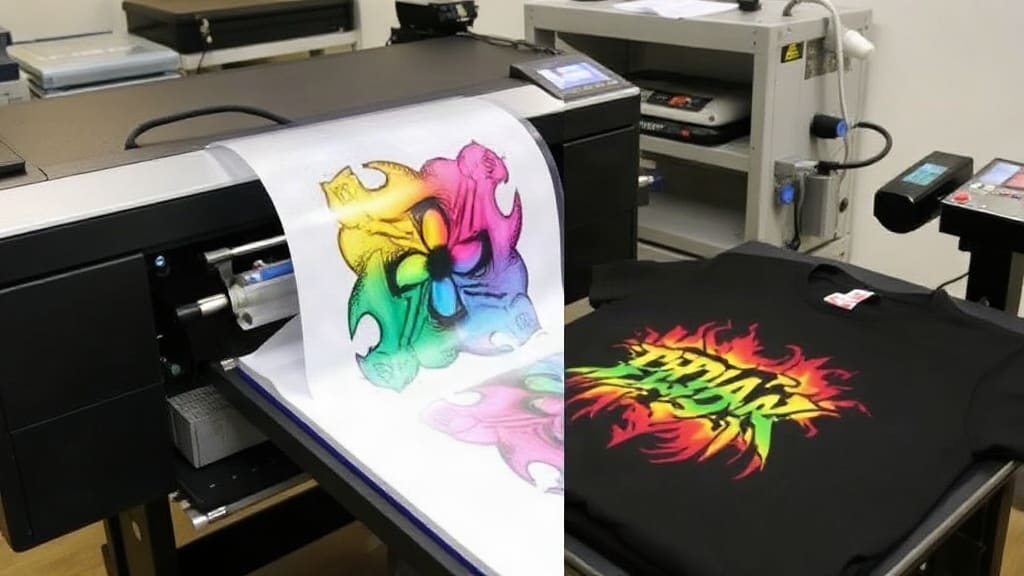
If you've been exploring custom apparel printing, you've probably heard about DTF (Direct to Film) printing. It's a revolutionary method that's taking the industry by storm, and for good reason. But what exactly is it? And why are so many businesses and hobbyists making the switch? In this guide, we'll dive deep into the world of DTF transfers, exploring everything from the basics to pro tips. Whether you're just starting or looking to improve your current process, you'll find valuable insights here. And if you're wondering about finding DTF transfers near me, we'll cover that too, ensuring you have all the information you need to make informed decisions.
What Are DTF Transfers?
DTF printing is a technique where a design is printed onto a special film using a DTF printer, then transferred onto fabric using a heat press. Unlike traditional methods like screen printing, DTF doesn't require screens or stencils. This makes it incredibly versatile and cost-effective, especially for small to medium runs.
The process involves printing a mirrored design onto a PET film, applying an adhesive powder, curing it, and then pressing it onto the garment. The result is a vibrant, durable print that can be applied to various materials, including cotton, polyester, blends, and even leather.
How DTF Transfers Differ from Other Methods
DTF printing stands out because it allows for full-color prints without the need for multiple screens. It's also more flexible than vinyl, as it can reproduce intricate details and gradients effortlessly. Compared to sublimation, DTF works on dark and light fabrics alike, making it a more versatile option.
Another significant advantage is the ability to print on demand. You don't need to order large quantities to make a profit. This is perfect for startups and small businesses that want to offer custom products without upfront inventory costs.
Why Choose DTF Transfers?
There are several reasons why DTF transfers have become a go-to choice for many printers:
- Vibrant colors that pop on any fabric
- Excellent durability; prints can withstand many washes without fading
- Soft hand-feel compared to other transfer methods
- Ability to print on a wide range of materials
- Fast production times, especially for small batches
- Cost-effective for both small and large orders
I remember when I first tried DTF in my shop, I was amazed at how simple it was to produce stunning results. The learning curve is much shorter than screen printing, and the flexibility it offers is unmatched.
The DTF Printing Process: Step-by-Step
Understanding the process is crucial if you're planning to do it yourself or want to communicate effectively with a service provider. Here's a detailed breakdown:
Step 1: Design Creation
Start with a high-resolution image. The better the quality, the sharper your print. Use design software like Adobe Illustrator or Photoshop to prepare your artwork. Ensure that any text is converted to outlines, and the resolution is at least 300 DPI for crisp results.
Step 2: Printing on Film
Your design is printed onto a special PET film using a DTF printer. This printer uses CMYK plus white ink, and sometimes additional colors like light cyan and light magenta for better gradients. The white ink is essential for printing on dark garments, as it provides a base layer.
Step 3: Applying Adhesive Powder
After printing, the film is covered with a hot-melt adhesive powder. This powder sticks to the wet ink and will later bond the design to the fabric. The film is then heated to slightly cure the powder, but not fully.
Step 4: Curing and Heat Press
The film with the applied powder is placed on the garment, and a heat press applies pressure and heat. Typically, temperatures range from 160°C to 180°C, and the press time is around 10-15 seconds. This melts the adhesive and permanently bonds the design to the fabric.
Step 5: Peeling and Finishing
Once pressed, you peel off the film. Most DTF transfers use a hot peel method, but some require cold peeling. Follow the manufacturer's instructions for best results. After peeling, your garment is ready to wear, though it's recommended to wait a few hours before washing to ensure maximum durability.
Finding the Best DTF Transfers Near Me
If you don't have the equipment to make your own DTF transfers, you can easily find a service provider. But how do you find the right one? When you search for DTF transfers near me, you'll get a list of companies. Here's what to look for:
- Experience and reputation: Check customer reviews and portfolios.
- Quality of materials: Ask about the inks and films they use.
- Turnaround time: How quickly can they deliver?
- Pricing: Compare costs, but remember that cheapest isn't always best.
- Customer service: Do they respond promptly and help with technical issues?
I've had my fair share of experiences with different suppliers. One local provider near me stands out because they offer free sample packs. That's a great way to test quality before committing to a larger order. So, when you search for DTF transfers near me, consider reaching out and asking for samples.
DTF vs. Other Printing Methods
To truly appreciate DTF, it helps to compare it with other popular methods:
DTF vs. Sublimation
Sublimation works only on polyester or light-colored garments, as the ink binds with the polymer. DTF, on the other hand, can handle all fabrics and colors. DTF also has a softer hand-feel compared to sublimation's sometimes rubbery finish.
DTF vs. Screen Printing
Screen printing is great for bulk orders due to its low per-unit cost, but it requires extensive setup. DTF is perfect for short runs and full-color prints without setup fees. For a small business, DTF is often more profitable.
DTF vs. Vinyl
Vinyl is limited to solid colors and simple shapes. DTF can replicate complex graphics, gradients, and even photographs. Vinyl also has a stiffer feel, while DTF maintains fabric flexibility.
Equipment Needed for DTF Printing
If you're considering adding DTF to your production, here's the essential equipment:
- DTF printer (converted or dedicated)
- PET films (different sizes)
- Adhesive powder
- Heat press (or use a transfer machine)
- Shake and curing oven (optional but recommended)
Investing in quality equipment is crucial. A good DTF printer can cost anywhere from $2,000 to $10,000, but it pays off in the long run. You should also consider the cost of inks and other consumables to calculate your profit margins.
Cost-Effectiveness of DTF Transfers
One of the biggest advantages is affordability. For small businesses, DTF eliminates the need for expensive setup charges. You can produce a single custom shirt for a customer without worrying about hitting a minimum order quantity. This makes it ideal for:
- Custom gift shops
- Online stores
- Event merchandise
- Personalized apparel
Compared to outsourcing, creating your own DTF transfers can reduce your costs by up to 70%. And because you control the process, you can ensure consistent quality.
Tips for Achieving Professional Results
Here are some practical tips I've gathered from experience:
- Always pre-press your garments to remove moisture and wrinkles.
- Use a Teflon sheet or parchment paper to protect your heat press.
- Calibrate your printer regularly to maintain color accuracy.
- Store your films and powders in a cool, dry place to prolong shelf life.
- Test your settings on scrap fabric before pressing final products.
Don't be afraid to experiment. Each type of fabric may require slight adjustments in temperature and pressure. Keeping a log of your settings for different materials is a great practice.
Common Mistakes to Avoid
Even experienced printers make mistakes. Here are pitfalls to avoid:
- Using low-quality films that cause cracking.
- Applying too little adhesive powder, leading to poor adhesion.
- Not curing the adhesive enough, causing peeling after washing.
- Ignoring the type of fabric; some materials need lower heat.
- Overlooking the importance of a proper rip for dark fabrics.
If you're outsourcing, communicate clearly with your supplier about the intended use of the garments. They can advise on the best transfer type for your needs.
Frequently Asked Questions About DTF Transfers
How long do DTF transfers last?
With proper care, DTF prints can last as long as the garment itself. They are resistant to cracking, peeling, and fading, even after multiple washes. However, washing in cold water and air drying can extend their lifespan.
Can DTF transfers be used on any fabric?
Yes, DTF works on a wide range of fabrics, including cotton, polyester, nylon, and blends. It's particularly effective on dark and colored fabrics, which sets it apart from sublimation. Just ensure you adjust the heat and pressure accordingly.
Are DTF transfers eco-friendly?
Compared to some traditional printing methods, DTF produces less waste because you only print what you need. However, the adhesive powders and films do have environmental impacts. Look for suppliers that offer eco-friendly options, such as water-based inks and recyclable films.
What is the minimum order quantity for DTF transfers?
One of the biggest advantages is that there is no minimum order. You can order a single transfer for a test or a personal use item. This makes DTF perfect for small businesses and individuals.
How do I store DTF transfers?
Keep them in a cool, dry place away from direct sunlight. Ideally, store them flat in a sealed bag to prevent moisture absorption. Properly stored transfers can last for months without losing their effectiveness.
Conclusion: Is DTF Right for You?
In summary, DTF transfers offer an incredible combination of versatility, quality, and affordability. Whether you're a seasoned printer looking to expand your services or a beginner just starting, DTF is definitely worth considering. The ability to produce vibrant, durable prints on demand is a game-changer.
If you're ready to give it a try, start by searching for DTF transfers near me to find a reliable supplier. Or, if you're feeling adventurous, invest in your own DTF setup. The initial investment may seem daunting, but the long-term benefits are substantial.
Remember, the key to success with DTF is practice and experimentation. Don't be afraid to test different materials and settings. With time, you'll master this technique and open up new possibilities for your business or creative projects. So why wait? Dive into the world of DTF printing today and see the difference it can make!