
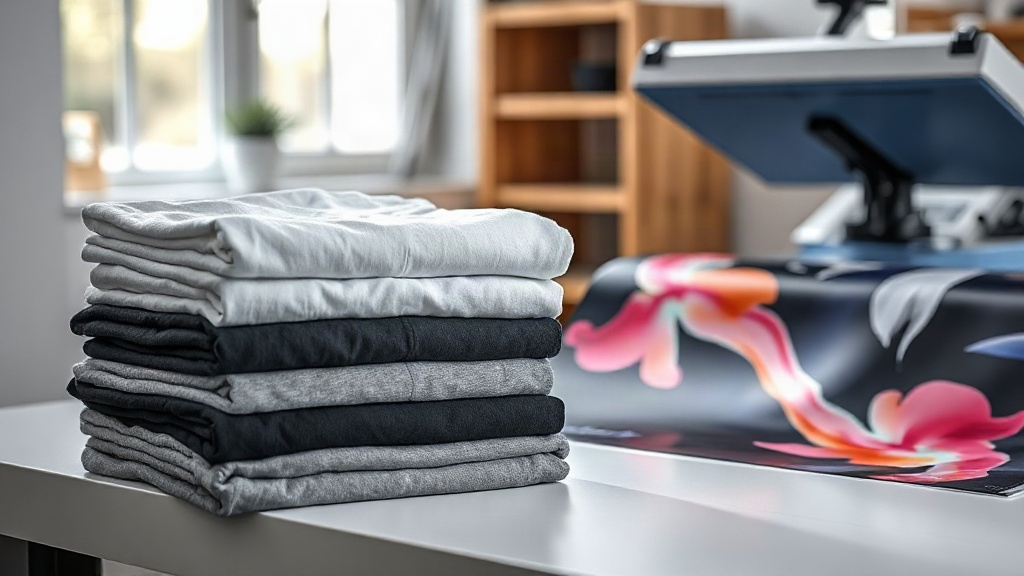
When you first dive into the world of custom apparel, it's easy to get swept up in the excitement of choosing designs, colors, and fonts. But here's the thing: the foundation of any great print isn't the ink or the artwork—it's the blank itself. That's where smart blanks come into play. These aren't just any t-shirts; they're carefully engineered garments designed to work in perfect harmony with modern printing techniques, especially DTF. If you've ever wondered why some prints look vibrant and professional while others crack or fade, the answer often lies in the blank you choose. In this article, we'll break down what makes a blank 'smart,' why Shaka Wear has become a go-to for many in the industry, and how mastering DTF transfers can transform your business or hobby.
What Exactly Are Smart Blanks?
The term 'smart blanks' might sound like marketing jargon, but it actually refers to garments that have been optimized for today's printing methods. Unlike standard blanks that might have inconsistent fabric blends or rough textures, smart blanks offer a smooth, even surface that accepts ink beautifully. They're typically made from high-quality cotton or cotton-poly blends that are tightly woven to prevent the ink from bleeding or sitting on top of the fabric. This results in a print that feels like part of the shirt rather than a plastic patch.
But it's not just about the fabric. Smart blanks also consider factors like shrinkage, colorfastness, and durability. After all, what good is a stunning print if the shirt shrinks two sizes after the first wash? Smart blanks are pre-shrunk or treated to minimize shrinkage, so your designs stay put. They also hold their color wash after wash, which is crucial for maintaining a professional look. When you combine these features with the right printing technique, you get a finished product that looks and feels premium.
The Role of Fabric Composition
Not all fabrics are created equal when it comes to printing. 100% cotton is a classic choice for its softness and breathability, but it can sometimes be tricky for DTF transfers because the fibers can be uneven. That's where blends come in. A 50/50 cotton-poly blend, for example, offers a smoother surface that allows the transfer to adhere more evenly. Polyester also helps the colors pop, especially for vibrant designs. Smart blanks often use these blends to strike the perfect balance between comfort and printability.
Another factor is the thread count and weave. A tighter weave means less texture, which translates to a smoother print. You might not think about thread count when you're picking out a t-shirt, but it makes a huge difference in the final outcome. Smart blanks are typically made with finer yarns and a tighter knit, giving you a canvas that's ready for detailed artwork.
Why Shaka Wear Stands Out in the Smart Blanks Market
If you've spent any time in the custom apparel scene, you've probably heard of Shaka Wear. This brand has built a reputation for delivering blanks that are not only affordable but also incredibly reliable. Their t-shirts are a favorite among screen printers and DTF enthusiasts alike because they consistently deliver great results. But what makes Shaka Wear so special?
First, their fabric quality is top-notch. Shaka Wear uses heavyweight cotton and cotton-poly blends that feel substantial without being stiff. This weight is important because it provides a stable base for DTF transfers, reducing the risk of the print shifting during application. Plus, the heavier fabric drapes well and feels more premium to the touch, which your customers will notice immediately.
Second, Shaka Wear offers a wide range of styles and colors. Whether you need classic crew necks, trendy oversized tees, or hoodies, they've got you covered. Their color palette is extensive, so you can find the perfect match for your design. And because they're consistently in stock, you won't have to worry about supply chain issues derailing your projects.
Consistency You Can Count On
One of the biggest challenges in custom apparel is inconsistency. You order a batch of shirts, and half of them have slightly different measurements or the color is off. Shaka Wear addresses this by maintaining strict quality control. When you order from them, you know exactly what you're getting. This consistency is crucial when you're fulfilling large orders or building a brand. Your customers expect the same fit and feel every time, and Shaka Wear delivers that.
Moreover, Shaka Wear blanks are designed with printing in mind. The surfaces are smooth and free of excess lint, which can interfere with DTF transfers. They also hold up well to the heat press, which is a key step in the DTF process. If you've ever had a shirt scorch or melt under the press, you know how important it is to use a blank that can take the heat.
Mastering DTF Transfers on Smart Blanks
Now that we've covered the blank, let's talk about the printing method that's taking the industry by storm: DTF transfers. DTF, or Direct to Film, is a printing technique where your design is printed onto a special film, coated with adhesive powder, and then heat-pressed onto the garment. It's incredibly versatile because it works on almost any fabric, including cotton, polyester, and blends. But to get the best results, you need to pair it with a smart blank.
The DTF process involves several steps, and each one affects the final quality. First, you print your design onto the film using a DTF printer. The inks are specially formulated to be vibrant and durable. Then, you apply a adhesive powder to the wet ink and shake off the excess. After that, the film is cured in an oven or with a heat gun. Finally, you place the film on your shirt and press it with a heat press. The adhesive melts and bonds the ink to the fabric.
When you use a smart blank, the adhesive has a smooth, consistent surface to bond with. This means the transfer adheres evenly, and you won't get those annoying edges that peel up after a few washes. The fabric also absorbs the ink slightly, giving it a soft hand feel. On cheaper blanks, the ink might sit on top and feel like a rubbery patch, which can crack over time.
Step-by-Step DTF Application on Shaka Wear Blanks
Let's walk through the process using a Shaka Wear blank as an example. Start by pre-pressing the shirt for a few seconds to remove any moisture or wrinkles. This step is often overlooked, but it's essential for a smooth application. Set your heat press to the temperature recommended by your DTF film supplier—usually around 300-325°F. Place the transfer on the shirt, cover it with a Teflon sheet or parchment paper, and press for 10-15 seconds with medium pressure. Then, peel the film off while it's still hot (for hot peel) or let it cool (for cold peel). Finally, do a second press for a few seconds with the Teflon sheet to ensure the ink is fully embedded.
With Shaka Wear blanks, you'll notice that the transfer goes on smoothly without any bubbles or wrinkles. The fabric's tight weave prevents the adhesive from seeping through, and the colors remain sharp and vibrant. It's a match made in heaven for anyone serious about custom apparel.
Choosing the Right Smart Blank for Your Project
Not all smart blanks are the same, and the right choice depends on your specific project. Here are a few factors to consider:
- Fabric type: Cotton is breathable and soft, but polyester blends offer better color vibrancy and durability. For DTF, a 50/50 blend or 100% polyester often works best.
- Weight: Heavier fabrics (like 5.5 oz or more) provide a more premium feel and hold up better to printing. Lighter fabrics are cooler but may not support intricate designs as well.
- Color: If you're printing on dark colors, you'll need a DTF transfer with a white underbase. Smart blanks in dark shades are formulated to accept these transfers without the white showing through.
- Fit: Consider your target audience. Are they looking for a classic fit, a modern slim fit, or an oversized streetwear look? Shaka Wear offers options for all these styles.
It's also worth thinking about the end use. For promotional events, you might prioritize cost-effectiveness, while for retail, you'll want a blank that feels luxurious. Smart blanks come in various price points, so you can find one that fits your budget without compromising on quality.
Common Pitfalls to Avoid with DTF Transfers
Even with the best blanks and equipment, mistakes can happen. Here are some common issues and how to avoid them:
- Insufficient pressure: If the pressure is too low, the transfer won't adhere properly. Make sure your heat press is calibrated and apply firm, even pressure.
- Wrong temperature: Too hot and you'll scorch the fabric; too cool and the adhesive won't melt. Always follow the film manufacturer's recommendations and test on a scrap piece first.
- Peeling too early or too late: Hot peel films need to be removed immediately, while cold peel films need to cool completely. Check your film's instructions.
- Not pre-pressing: Skipping the pre-press can leave moisture in the fabric, causing the transfer to bubble or peel. Always pre-press for 5-10 seconds.
- Using low-quality blanks: This is the biggest culprit. Cheap blanks with uneven surfaces or high shrinkage will ruin even the best DTF transfer. Invest in smart blanks like Shaka Wear for consistent results.
By avoiding these pitfalls, you'll achieve professional-looking prints that last.
Why Smart Blanks and DTF Are a Game-Changer for Small Businesses
For small business owners and side hustlers, the combination of smart blanks and DTF transfers opens up a world of possibilities. Unlike screen printing, which requires expensive setups and minimum order quantities, DTF allows you to print one-off designs or small batches without breaking the bank. You can offer personalized products, test new designs quickly, and fulfill orders on demand. This flexibility is invaluable when you're just starting out.
Moreover, the quality you can achieve with DTF on smart blanks rivals that of traditional methods. Your customers will receive a product that looks and feels premium, which helps build your brand's reputation. Whether you're selling online, at craft fairs, or through social media, the right combination of blank and print will set you apart from the competition.
At dtfmasterprint.com, we specialize in providing top-quality DTF supplies and blanks to help you succeed. Our team has years of experience in the industry, and we're passionate about helping you create amazing products. If you're ready to take your custom apparel to the next level, explore our selection of smart blanks and DTF transfers today.
Frequently Asked Questions
What are smart blanks and why should I use them for DTF transfers?
Smart blanks are garments specifically designed to work well with modern printing techniques like DTF. They have a smooth, even surface, minimal shrinkage, and good colorfastness. Using smart blanks ensures your DTF transfers adhere properly, look vibrant, and last longer. They prevent common issues like cracking, fading, and peeling.
Is Shaka Wear a good brand for DTF printing?
Absolutely. Shaka Wear is known for its high-quality, consistent blanks that are ideal for DTF printing. Their fabrics are tightly woven and pre-shrunk, providing a stable base for transfers. Many professionals in the industry trust Shaka Wear for its reliability and wide range of styles and colors.
How do I choose the right smart blank for my project?
Consider the fabric type, weight, color, and fit. For DTF, a cotton-poly blend or 100% polyester often works best for vibrant colors. Heavier weights (5.5 oz and up) offer a premium feel. Also, think about your target audience and the intended use of the garment. Testing a few options can help you find the perfect match.
Can I use DTF transfers on any fabric?
DTF transfers work on a wide range of fabrics, including cotton, polyester, blends, and even some synthetic materials. However, for best results, use smart blanks that are designed for printing. Fabrics with a smooth surface and tight weave yield the most professional-looking transfers.
What temperature and pressure should I use for DTF transfers?
The recommended settings vary by film manufacturer, but typically you'll use a temperature between 300-325°F and medium pressure for 10-15 seconds. Always follow the instructions provided with your DTF film and do a test press on a scrap piece of fabric to dial in the perfect settings.