
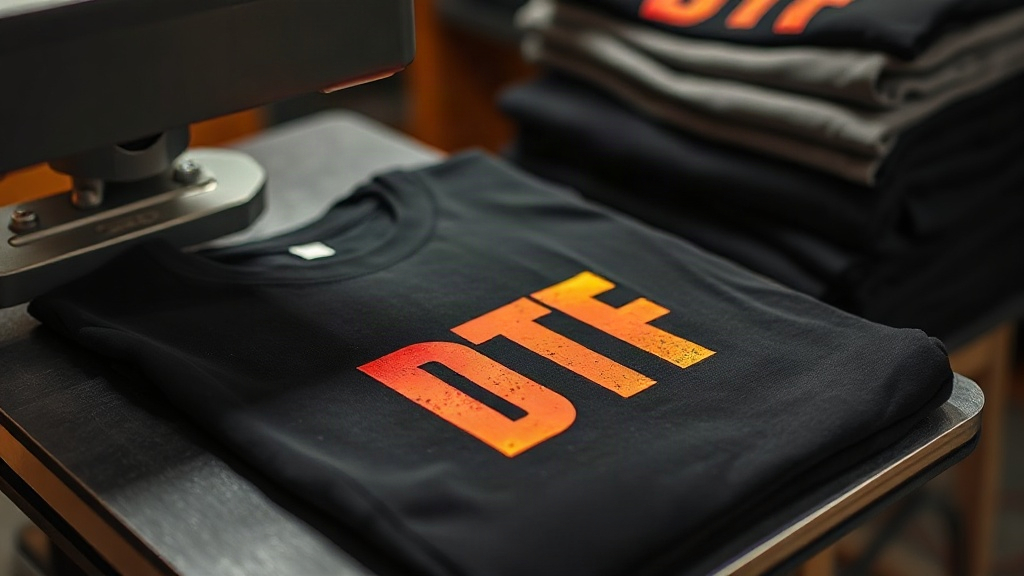
When you're creating custom apparel, the combination of DTF transfers with high-quality blanks like Shaka Wear and Smart Blanks can elevate your designs from ordinary to extraordinary. But not all blanks are created equal, and understanding how different fabrics interact with DTF technology is key to achieving professional results that last. Whether you're a small business owner, a print shop operator, or a DIY enthusiast, this guide will walk you through everything you need to know about using DTF transfers on these popular blank brands.
Why DTF Transfers Are a Game-Changer for Custom Apparel
Direct-to-film (DTF) printing has rapidly become a favorite among apparel decorators for its versatility and durability. Unlike traditional screen printing, DTF doesn't require color separation or minimum order quantities. And unlike vinyl, it can handle intricate details and gradients with ease. The process involves printing a design onto a special film, coating it with adhesive powder, and then heat-pressing it onto a garment. The result is a soft, stretchable print that bonds tightly to the fabric.
What makes DTF particularly appealing is its compatibility with a wide range of materials, including cotton, polyester, and blends. This opens up possibilities for using blanks like Shaka Wear and Smart Blanks, which are known for their quality and comfort. However, to get the best results, you need to match your DTF technique to the specific characteristics of each blank.
Understanding Shaka Wear Blanks
Shaka Wear has built a reputation for producing heavyweight, durable garments that appeal to streetwear brands and anyone seeking a premium feel. Their t-shirts, hoodies, and crewnecks are often made from 100% cotton or cotton-poly blends, with a substantial hand feel that customers love. The fabric weight typically ranges from 5.5 oz to 7.5 oz, providing a sturdy canvas for prints.
When applying DTF transfers to Shaka Wear garments, the key is to account for the fabric's thickness and texture. Heavier fabrics require slightly more heat and pressure to ensure the adhesive fully penetrates the fibers. I've found that pre-pressing the garment for a few seconds to remove moisture and wrinkles makes a noticeable difference in adhesion. Also, because Shaka Wear often uses ringspun cotton, the surface is smooth, allowing for excellent detail reproduction.
Best Practices for DTF on Shaka Wear
- Temperature: Set your heat press to 320°F (160°C) for cotton and 300°F (150°C) for blends.
- Pressure: Use medium to high pressure (around 40-60 psi) to ensure even transfer.
- Time: Press for 15-20 seconds, then peel the film warm (not hot) for a matte finish.
- Pre-press: Always pre-press the garment for 5-10 seconds to remove moisture.
One common mistake is under-pressing, which leads to premature peeling. With Shaka Wear, I recommend doing a quick stretch test after the print cools: if the design cracks, increase pressure or time slightly.
Exploring Smart Blanks for DTF Printing
Smart Blanks is another popular choice, especially for those who prioritize sustainability and softness. Their garments are often made from organic cotton or recycled materials, and they have a softer, lighter feel compared to Shaka Wear. The fabric weight is usually around 4.5 oz to 5.5 oz, making them ideal for retail brands that want an eco-friendly option.
Because Smart Blanks are lighter and sometimes have a slightly rougher texture due to their sustainable fibers, DTF transfers may require a bit more finesse. The lower fabric weight means less heat is needed, but you still need enough to activate the adhesive. I've had success using a temperature of 300°F (150°C) with medium pressure for 12-15 seconds. Peeling the film cold can help prevent the design from stretching out of shape.
Tips for DTF on Smart Blanks
- Test first: Always run a test print on a scrap piece of the same fabric to dial in your settings.
- Use a Teflon sheet: This protects the print and ensures even heat distribution.
- Cool peel: Let the transfer cool completely before peeling for cleaner edges.
- Wash inside out: Advise customers to wash inside out in cold water and tumble dry low to extend the life of the print.
Another consideration with Smart Blanks is that their organic cotton may have natural oils that can interfere with adhesion. A quick pre-press and a lint roller can remove any debris and improve bonding.
Comparing DTF Performance: Shaka Wear vs. Smart Blanks
Both Shaka Wear and Smart Blanks are excellent choices for DTF, but they cater to different needs. Shaka Wear is ideal for bold, heavy designs that need a substantial backdrop. The thicker fabric holds up well to large prints and provides a premium streetwear vibe. On the other hand, Smart Blanks are perfect for lightweight, breathable apparel where softness is paramount. Their eco-friendly appeal also resonates with environmentally conscious consumers.
In terms of DTF application, Shaka Wear is more forgiving because its weight and density allow for a wider temperature window. Smart Blanks require more precision, but the results are equally impressive when done right. I've seen vibrant, wash-durable prints on both after following the recommended settings.
Step-by-Step DTF Application on These Blanks
- Prepare your workspace: Ensure your heat press is stable and at the correct temperature.
- Pre-press the garment: 5-10 seconds to remove wrinkles and moisture.
- Position the DTF transfer: Place it with the printed side up.
- Press: Apply heat and pressure according to the fabric type (see settings above).
- Peel: Warm peel for Shaka Wear, cool peel for Smart Blanks.
- Post-press: For extra durability, press again for 5 seconds with a Teflon sheet.
This process works consistently, but always remember that every heat press is different. Calibrate yours with a temperature gun for accuracy.
Common Challenges and How to Overcome Them
Even with the best blanks, issues can arise. Here are a few common problems and their solutions:
- Peeling after wash: Usually caused by insufficient pressure or time. Increase both slightly and ensure proper post-pressing.
- Cracking: Often due to over-stretching the fabric during pressing or using too high a temperature. Lower the temp and avoid stretching.
- Dull colors: May indicate under-pressing or using old film. Store DTF transfers in a cool, dry place and use fresh powder.
- Adhesive residue: If you see shiny spots, you've over-pressed. Reduce pressure or time.
With Shaka Wear, the main challenge is getting enough heat penetration without scorching. With Smart Blanks, it's about gentle handling to preserve the soft hand feel. Practice on scrap fabric until you're confident.
Frequently Asked Questions
Can I use DTF transfers on 100% polyester Shaka Wear garments?
Yes, but you'll need to adjust your settings. Polyester is heat-sensitive, so lower the temperature to around 280°F (140°C) and use light pressure. Also, be aware that dye migration can occur with some polyester fabrics; using a poly-blocker or a lower temperature can help.
How do I prevent DTF prints from fading on Smart Blanks?
Fading is often due to improper washing or low-quality transfers. Always use high-quality DTF film and powder, and instruct customers to wash inside out in cold water. Avoid ironing directly on the print, and tumble dry low.
What's the best way to store DTF transfers before use?
Store them in a cool, dry place away from direct sunlight. Keep them in a sealed bag or container to prevent dust and moisture from affecting the adhesive. Proper storage can extend shelf life for months.
Do I need a special heat press for DTF on these blanks?
No, a standard heat press works fine. However, a press with digital temperature and pressure controls will give you more consistency. If you're using a home iron, results may vary, and it's not recommended for professional quality.
Can I layer DTF transfers on Shaka Wear for a multi-color design?
Absolutely. DTF transfers can be layered, but you'll need to press each layer separately. Use a lower temperature for subsequent layers to avoid remelting the previous ones. This technique allows for complex, multi-color designs without the hassle of screen printing.
Final Thoughts
Mastering DTF transfers on Shaka Wear and Smart Blanks opens up a world of creative possibilities. By understanding the unique properties of each blank and fine-tuning your heat press settings, you can produce prints that are vibrant, durable, and professional. Remember to always test, pre-press, and follow the recommended guidelines. With a bit of practice, you'll be able to offer your customers high-quality custom apparel that stands out. For more tips and supplies, visit dtfmasterprint.com.