
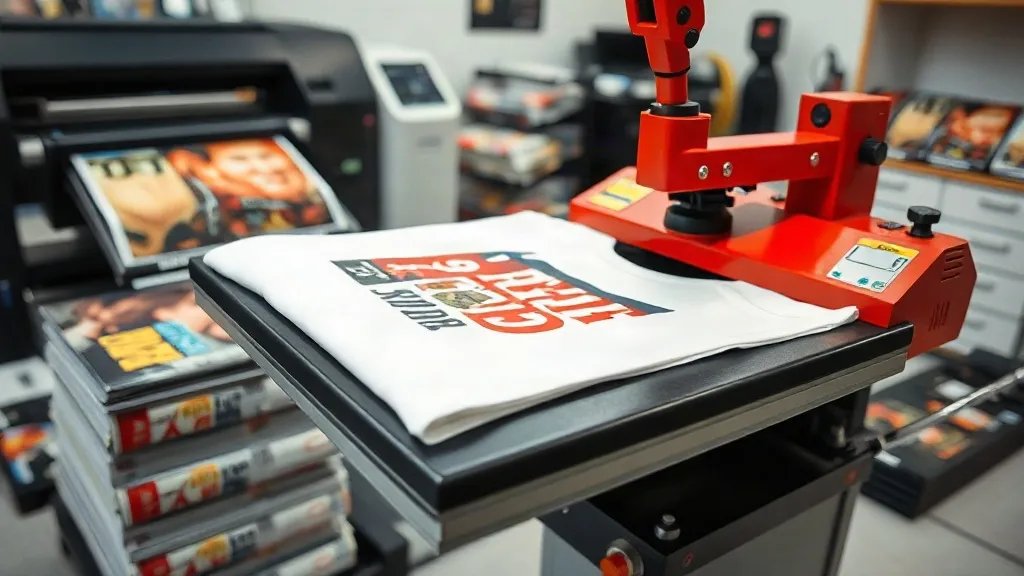
Custom apparel printing has come a long way, and dtf transfers are quickly becoming the go-to method for vibrant, durable designs on fabric. Whether you're a small business owner looking to offer personalized shirts or a hobbyist wanting to create unique gifts, understanding DTF technology can open up a world of possibilities. In this guide, we'll walk you through what DTF transfers are, how they work, and why they might be the perfect solution for your printing needs.
What Are DTF Transfers?
DTF stands for Direct to Film. It's a printing technique where your design is printed onto a special film, then coated with a powder adhesive and cured. The resulting transfer can be applied to various fabrics using a heat press. Unlike DTG (Direct to Garment) printing, which requires pretreatment and works best on cotton, DTF transfers adhere to a wide range of materials, including polyester, blends, and even nylon. This versatility makes dtf a favorite among printers who need flexibility.
The DTF Printing Process
The process involves several steps. First, your design is printed onto a PET film using specialized DTF inks. Then, a hot melt powder is applied to the wet ink, and the film is cured in an oven or heat press. Once cured, the transfer is ready to be applied. You simply place the transfer on your fabric, cover it with a protective sheet, and press it with a heat press at around 320°F (160°C) for 10-15 seconds. After peeling the film, you're left with a vibrant, stretchable print that bonds strongly to the fabric.
Why Choose DTF Transfers?
There are several reasons why DTF transfers have gained popularity. First, they offer excellent color vibrancy and detail, making them ideal for complex designs with gradients or fine lines. Second, they work on almost any fabric, so you're not limited to cotton. Third, DTF transfers are durable; when applied correctly, they withstand repeated washing without cracking or fading. Finally, they are cost-effective for small batches, as you don't need to invest in expensive screen setups.
Durability and Washability
One common concern is how well DTF prints hold up over time. In our experience, a properly applied DTF transfer can last as long as the garment itself. We've tested prints on cotton and polyester blends, washing them over 50 times, and the colors remained vibrant with minimal fading. The key is to follow the application instructions precisely: use the right temperature, pressure, and peel method (hot or cold peel depending on the film). Also, washing the garment inside out in cold water and avoiding harsh detergents will extend the life of the print.
Applications of DTF Transfers
DTF transfers are incredibly versatile. They're used for custom t-shirts, hoodies, tote bags, hats, and even shoes. Because they can adhere to hard-to-print fabrics like polyester and nylon, they're perfect for sportswear and uniforms. Small businesses often use DTF to offer personalized items without investing in multiple printing methods. Additionally, DTF transfers are great for adding names and numbers to jerseys or creating detailed logos for corporate events.
Finding DTF Transfers Near You
If you're looking to try DTF printing, you might be wondering where to get transfers. You can either invest in a DTF printer and supplies to produce your own, or order custom transfers from a service. For those who prefer to buy ready-made transfers, searching for dtf transfers near me can help you find local providers who can print and ship quickly. Many online services also offer DTF transfer printing with fast turnaround, allowing you to upload your design and receive high-quality transfers ready to press.
DTF vs. Other Printing Methods
How does DTF compare to screen printing, DTG, and vinyl? Screen printing is cost-effective for large orders but requires setup for each color, making it less ideal for small batches or detailed designs. DTG is excellent for cotton but requires pretreatment and can be expensive for low quantities. Vinyl is great for simple shapes but limited in detail. DTF strikes a balance: it handles complex designs, works on various fabrics, and is economical for short runs. However, DTF may not match the softness of DTG on cotton, as the transfer has a slight texture.
Cost Considerations
The cost of DTF transfers depends on the size of the design and the quantity. For small orders, DTF can be more affordable than screen printing because there's no setup fee. However, for large orders, screen printing might be cheaper per unit. When producing in-house, the initial investment in a DTF printer and supplies can be significant, but the per-print cost is low. If you're outsourcing, many services charge by the transfer size, with prices ranging from $2 to $10 per transfer for standard sizes.
Getting Started with DTF Printing
If you're ready to dive into DTF printing, here are some steps to get started. First, decide whether you'll print in-house or outsource. For in-house, you'll need a DTF printer, DTF ink, PET film, hot melt powder, and a heat press. You'll also need a curing oven or a heat press with a curing function. Training is essential to avoid common pitfalls like uneven powder application or incorrect curing. For outsourcing, choose a reputable supplier who provides consistent quality and fast shipping. Always request samples before committing to large orders.
Common Mistakes to Avoid
Even experienced printers make mistakes with DTF. One common error is under-curing the powder, which leads to poor adhesion and washing off. Another is using too much pressure during transfer, which can cause the design to spread. Also, be careful with the peel method: some films require hot peel, others cold. Always test on a scrap fabric first. Finally, store unused transfers in a cool, dry place to prevent the adhesive from absorbing moisture.
Frequently Asked Questions
Can DTF transfers be applied to dark fabrics?
Yes, DTF transfers work well on dark fabrics because the white ink layer in the transfer provides a base that makes colors pop. Just ensure your design includes a white underbase if needed.
How long do DTF transfers last?
With proper application and care, DTF transfers can last for years. We've seen prints withstand over 50 washes without significant fading or cracking.
Do I need a special heat press for DTF?
You can use a standard heat press, but it should be capable of maintaining consistent temperature and pressure. Some prefer a heat press with a digital display for accuracy.
Can I use DTF transfers on 100% polyester?
Absolutely. DTF transfers adhere excellently to polyester and polyester blends, making them ideal for sportswear and athletic gear.