
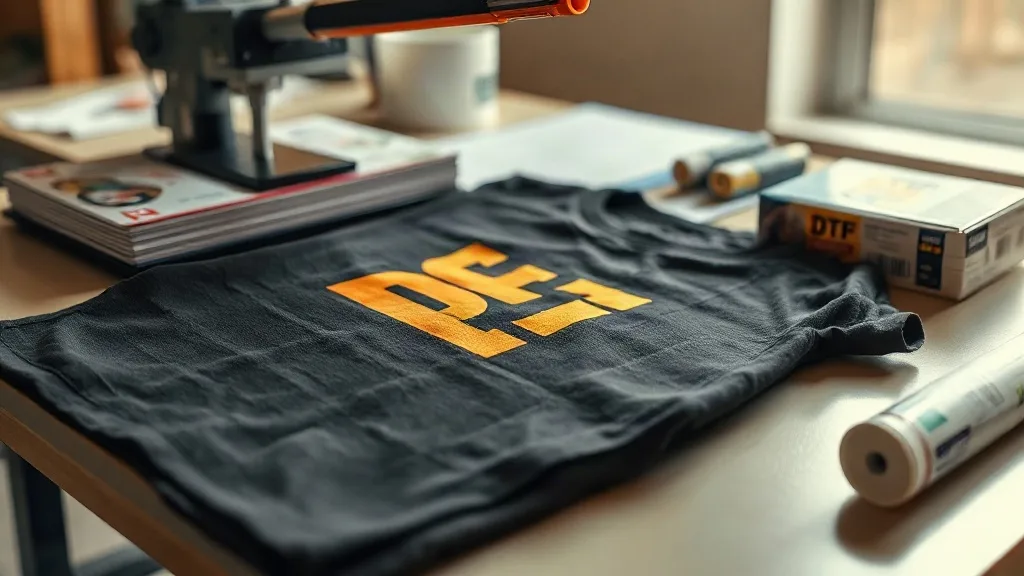
Imagine pressing a button and watching a design come to life on a t-shirt, tote bag, or hoodie in brilliant, lasting color. That's the magic of dtf printing, a technology that has taken the custom apparel world by storm. Unlike traditional methods that struggle with complex designs or certain fabrics, dtf transfers offer a versatile, cost-effective solution that delivers professional results right from your home studio. Whether you're a small business owner, a crafting enthusiast, or just someone who loves personalized gear, understanding DTF printing can open up a world of creative possibilities.
What Are DTF Transfers?
DTF stands for Direct to Film. In this process, your design is printed onto a special PET film using water-based pigments. A thermoplastic powder adhesive is then applied to the wet ink, and the film is cured. When you're ready to apply the design, you simply place the film on your garment, apply heat and pressure with a heat press, and peel away the film. The result is a vibrant, durable print that bonds seamlessly to the fabric. Unlike DTG (Direct to Garment) or screen printing, dtf transfers work on a wide range of materials, including cotton, polyester, blends, and even leather. This flexibility makes DTF a game-changer for creators who want to experiment with different products without investing in multiple printing setups.
Why Choose DTF Transfers Over Other Methods?
If you've tried other printing techniques, you know the limitations: vinyl is tedious to weed, screen printing requires expensive setups, and DTG often struggles with dark garments. DTF sidesteps these issues. Here's why it stands out:
- No color limitations: DTF uses CMYK plus white ink, so you can print full-color, photorealistic designs with gradients and fine details. No need to separate colors or worry about registration.
- Works on any fabric: From 100% cotton to 100% polyester and everything in between, DTF adheres beautifully. It even works on non-fabric items like wood and metal (with proper preparation).
- Durability: When applied correctly, DTF prints withstand repeated washing without fading, cracking, or peeling. The prints stretch with the fabric, making them ideal for athletic wear.
- Cost-effective for small batches: Unlike screen printing, which requires separate screens for each color, DTF is economical for one-off items or small runs. You can print a single design without wasting materials.
- Speed: Once your design is printed and powdered, application takes less than a minute. This efficiency is perfect for fulfilling orders quickly.
How to Apply DTF Transfers: Step-by-Step
Applying DTF transfers is straightforward, but following the right steps ensures a flawless finish. Here's a detailed guide:
1. Prepare Your Workspace
Set up your heat press on a sturdy surface. Ensure it's clean and free of dust. Preheat your press to the recommended temperature, typically around 325°F (160°C). While it heats, lint-roll your garment to remove any debris that could interfere with adhesion.
2. Position the Transfer
Place the DTF transfer film onto the garment with the printed side facing up. If your design has a white underbase, the film will appear opaque; that's normal. Position it exactly where you want the final print. You can use heat-resistant tape to secure it if needed.
3. Press and Peel
Cover the transfer with a Teflon sheet or parchment paper to protect your press. Apply medium to firm pressure for 10-15 seconds. After pressing, let the garment cool for a few seconds, then peel the film off in a smooth, continuous motion. For a softer feel, you can do a second press for 5 seconds after peeling.
4. Post-Press Care
Wait 24 hours before washing the garment. Turn it inside out and machine wash cold. Avoid fabric softeners and bleach, and tumble dry low or hang dry. With proper care, your DTF print will last as long as the garment itself.
Common Mistakes to Avoid with DTF Transfers
Even seasoned crafters can run into issues. Here are pitfalls to watch out for:
- Insufficient pressure: If the pressure is too light, the adhesive won't bond properly, leading to peeling. Adjust your press until you feel firm resistance.
- Wrong temperature: Too hot and the film may scorch; too cool and the powder won't melt. Always follow the film manufacturer's recommendations.
- Peeling too soon: If you peel while the transfer is still hot, the design may stretch or lift. Wait a few seconds for it to cool.
- Ignoring fabric type: While DTF works on many fabrics, some stretchy materials require a lower temperature and pressure to avoid distortion.
- Poor storage: Store unused transfers in a cool, dry place away from direct sunlight to prevent the adhesive from degrading.
DTF vs. Other Printing Methods: A Quick Comparison
To help you decide, here's how DTF stacks up against popular alternatives:
- DTF vs. DTG: DTG requires pretreatment and works best on 100% cotton. DTF needs no pretreatment, works on more fabrics, and often produces more vibrant colors on dark garments.
- DTF vs. Vinyl: Vinyl is great for simple, single-color designs but is labor-intensive for multi-color graphics. DTF handles complex designs with ease.
- DTF vs. Screen Printing: Screen printing is cost-effective for large orders but has high setup costs and limited color blending. DTF excels for small batches and detailed artwork.
- DTF vs. Sublimation: Sublimation only works on polyester and light-colored fabrics. DTF works on almost anything, including cotton and dark colors.
Choosing the Right DTF Supplies
Quality supplies make all the difference. When selecting DTF film, look for options that offer a good ink receptivity and consistent thickness. Cheaper films may cause ink smearing or poor adhesion. For powder, choose a fine-grade adhesive that melts evenly. Your printer also matters: a dedicated DTF printer with white ink circulation is ideal, but you can convert some inkjet printers with a DTF kit. Always use high-quality inks designed for DTF to ensure vibrancy and washability.
Applications of DTF Transfers Beyond T-Shirts
DTF isn't just for apparel. Its versatility allows you to decorate:
- Canvas bags and backpacks: Add logos or artwork to create custom merch.
- Denim jackets: Personalize with bold graphics that won't crack.
- Sportswear: The stretchable prints move with the fabric, ideal for jerseys and leggings.
- Home decor: Pillows, aprons, and even tote bags become canvases for your designs.
- Promotional items: Quickly produce branded items for events or corporate gifts.
Frequently Asked Questions
What is the difference between DTF and DTG printing?
DTG (Direct to Garment) prints directly onto the fabric, requiring pretreatment and typically working best on 100% cotton. DTF (Direct to Film) prints onto a film first, then transfers to the garment, allowing it to work on a wider range of fabrics, including polyester and blends, without pretreatment.
Can I use DTF transfers on dark-colored shirts?
Absolutely. DTF transfers include a white ink layer that acts as a base, making colors pop on dark fabrics. This is one of the key advantages over DTG, which may require a white underbase and can still appear muted on dark colors.
How long do DTF prints last?
When applied correctly and cared for properly, DTF prints can last as long as the garment. They resist fading, cracking, and peeling through many wash cycles. Always follow the washing instructions: inside out, cold water, no bleach, and low heat drying.
Do I need a special printer for DTF?
You can use a dedicated DTF printer or convert a standard inkjet printer with a DTF conversion kit. The key is to use DTF-specific inks (CMYK plus white) and ensure the printer can handle the film. Many beginners start with a converted Epson printer.
What fabrics work best with DTF transfers?
DTF works on almost all fabrics, including cotton, polyester, nylon, leather, and blends. It's especially popular for 50/50 blends and polyester performance wear because the print stretches with the fabric without cracking.
DTF printing is more than a trend; it's a reliable, versatile method that empowers creators to bring their ideas to life on a wide range of products. By mastering the application process and choosing quality supplies, you can achieve professional-grade results that delight customers and elevate your brand. Whether you're just starting or looking to expand your offerings, DTF transfers are a smart addition to your production toolkit.