
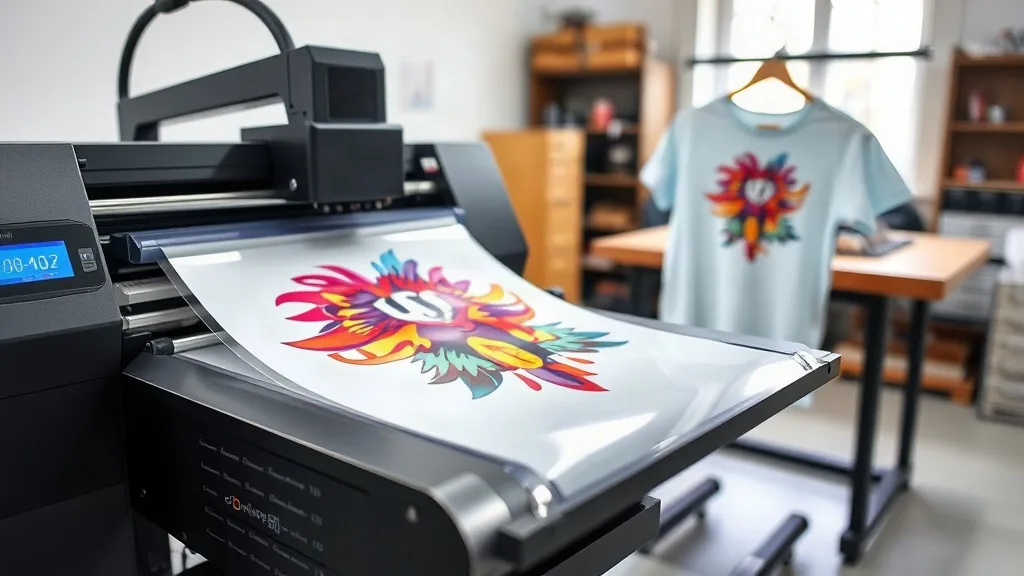
If you've been exploring custom apparel printing, you've likely encountered the term dtf. DTF, or Direct to Film, is a relatively new printing method that's quickly gaining popularity for its versatility and vibrant results. Unlike traditional techniques that require specific fabrics or extensive setup, DTF printing offers a streamlined process that works on almost any material. In this guide, we'll dive deep into what DTF printing is, how it works, and why dtf transfers are becoming a go-to solution for businesses and hobbyists alike.
What is DTF Printing?
DTF printing stands for Direct to Film. It's a digital printing technology where designs are printed onto a special film, coated with adhesive powder, and then heat-pressed onto the fabric. This method eliminates the need for cutting or weeding, making it faster and more efficient than some traditional methods. The prints are known for their vivid colors, fine details, and durability. Whether you're printing on cotton, polyester, blends, or even leather, DTF can handle it with ease.
How Does the DTF Process Work?
The DTF process involves several key steps, each crucial for achieving a high-quality transfer. Let's break it down.
Step 1: Design Preparation
First, you need a digital design. This can be created in graphic software like Photoshop or Illustrator. The design is then printed onto a PET film using a DTF printer. The printer uses special DTF inks, typically CMYK plus white, to create the image. The white ink acts as a base, allowing the colors to pop on dark fabrics.
Step 2: Powder Application
After printing, the film is coated with a hot-melt adhesive powder. This powder is evenly distributed over the wet ink and then shaken off. The film is then heated to melt the powder, which creates a adhesive layer that will bond the print to the fabric.
Step 3: Curing
The film is then cured, either in an oven or with a heat press, to fully activate the adhesive. This step ensures the transfer will adhere properly and withstand washing.
Step 4: Heat Pressing
Finally, the transfer is placed on the fabric and heat-pressed. The heat and pressure transfer the design from the film to the garment. Once cooled, the film is peeled away, leaving a vibrant, durable print.
Why Choose DTF Transfers?
DTF transfers offer numerous advantages over other printing methods. Here are some compelling reasons to consider them.
- Versatility: DTF works on a wide range of fabrics, including cotton, polyester, nylon, and more. It's also suitable for different colors, especially dark garments where other methods might struggle.
- Durability: The prints are stretchable and crack-resistant, making them ideal for activewear and items that undergo frequent washing.
- No Weeding: Unlike vinyl cutting, DTF doesn't require weeding, saving time and labor.
- Vibrant Colors: DTF printers can produce high-resolution, full-color designs with smooth gradients and fine details.
- Cost-Effective for Short Runs: DTF is economical for small batches since there's no need for screens or plates.
Applications of DTF Printing
DTF printing is used in various industries and creative projects. Some common applications include:
- Custom t-shirts and apparel for events, teams, or personal use.
- Promotional items like tote bags, hats, and uniforms.
- Home decor items such as pillowcases and quilts.
- Sportswear and athleisure due to its stretchability.
DTF vs. Other Printing Methods
How does DTF stack up against other popular printing techniques? Let's compare.
DTF vs. DTG
Direct to Garment (DTG) printing is similar but requires pre-treatment and works best on 100% cotton. DTF, on the other hand, doesn't need pre-treatment and adheres to more fabrics. DTF also often produces more vibrant colors on dark shirts.
DTF vs. Screen Printing
Screen printing is cost-effective for large orders but requires setup for each color. DTF is better for detailed, multi-color designs and short runs, with no color limitations.
DTF vs. Vinyl
Heat transfer vinyl (HTV) requires weeding and layering for multi-color designs. DTF eliminates weeding and can print full-color images in one go, making it faster and more efficient.
Getting Started with DTF Printing
If you're interested in trying DTF printing, here's what you need to know.
Equipment Needed
You'll need a DTF printer, DTF ink, PET film, adhesive powder, and a heat press. There are also pre-made dtf transfers available if you prefer not to print yourself.
Tips for Success
- Use high-quality film and powder for best results.
- Ensure proper curing to avoid wash-off.
- Test different fabrics and settings to find what works best.
- Store transfers in a cool, dry place to maintain adhesive quality.
Frequently Asked Questions
How long do DTF transfers last?
With proper application and care, DTF transfers can last as long as the garment itself. They withstand multiple washes without fading or cracking.
Can I use DTF on 100% polyester?
Yes, DTF works well on polyester. However, lower temperatures may be needed to prevent dye migration.
Do I need a special printer for DTF?
Yes, a DTF printer is required to print the designs onto film. Alternatively, you can purchase pre-printed transfers from suppliers.
Is DTF printing eco-friendly?
DTF uses water-based inks and produces less waste compared to some methods, but the film and powder may not be biodegradable. Proper disposal is recommended.
What's the difference between DTF and DTF transfers?
DTF is the printing process, while DTF transfers are the actual printed films that you apply to garments. The terms are often used interchangeably.
DTF printing is a game-changer in the custom apparel industry. Its ability to produce vibrant, durable prints on a variety of fabrics makes it a versatile choice for businesses and individuals. Whether you're a small business owner looking to offer custom shirts or a hobbyist wanting to create unique gifts, DTF transfers provide an efficient and high-quality solution. As the technology continues to evolve, we can expect even more innovations in this space. So why not give DTF a try? Your creativity is the only limit.