
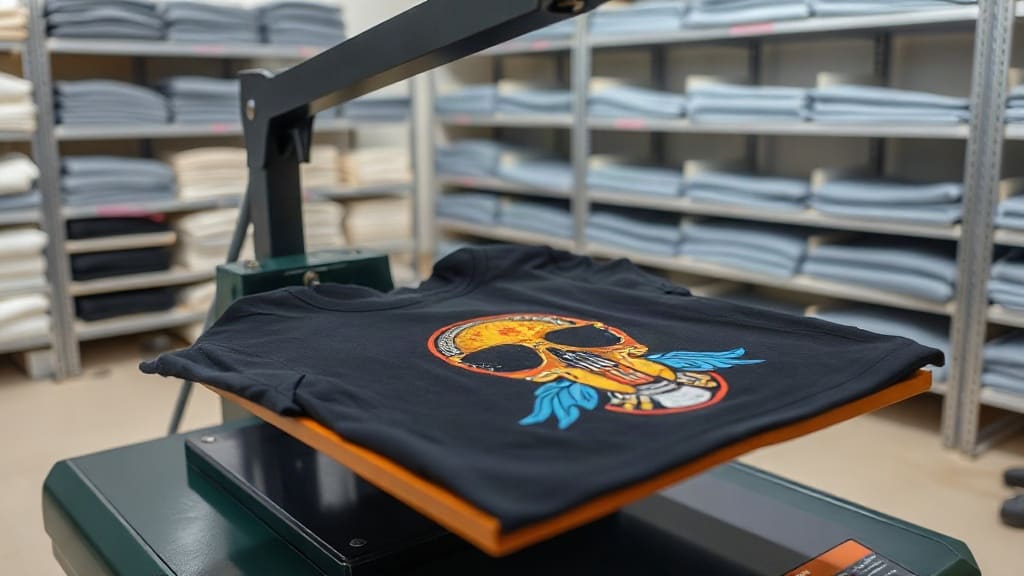
If you're looking for a versatile and cost-effective way to print custom apparel, DTF transfers might be the answer. This printing method has taken the industry by storm, offering vibrant colors, durability, and the ability to print on almost any fabric. In this guide, I'll walk you through what DTF transfers are, how they work, their advantages, and how you can get the best results for your projects.
What Are DTF Transfers?
DTF stands for Direct to Film. Unlike traditional methods that print directly onto the garment, DTF printing involves printing your design onto a special film, applying adhesive powder, and then heat-pressing the transfer onto the fabric. This process creates a highly detailed and flexible print that can be used on cotton, polyester, blends, and even tricky materials like nylon or leather.
How DTF Transfers Work
The DTF process might sound complicated, but it's actually quite straightforward. Here's a step-by-step breakdown:
- Design: You create or upload your artwork into a printer that uses specialized DTF inks (usually CMYK plus white).
- Printing: The printer prints the design in reverse onto a PET film. The white ink layer is printed first to ensure colors pop on dark garments.
- Adhesive Application: While the ink is still wet, a hot-melt adhesive powder is applied to the film. This powder sticks to the ink and will later bond with the fabric.
- Drying: The film is passed through a dryer or heat tunnel to melt the powder slightly, fixing it in place.
- Press: The transfer is placed on the garment (adhesive side down) and heat-pressed at around 300-320°F for 15-20 seconds.
- Peel: After cooling slightly, the film is peeled away, leaving a vibrant, durable print.
Advantages of DTF Transfers
Why are DTF transfers becoming so popular? Here are some key benefits:
- Versatility: Works on cotton, polyester, blends, and even harder surfaces like bags and caps.
- Vibrant Colors: The white underbase ensures bright, opaque colors on dark fabrics.
- Soft Hand Feel: The print is flexible and doesn't have the heavy plastisol feel of some screen prints.
- Cost-Effective for Small Runs: No need for screens or setup fees, making it ideal for one-off or small batch orders.
- Easy for Beginners: With a DTF printer and heat press, anyone can start producing professional-looking apparel.
DTF vs. Screen Printing vs. Sublimation
To truly appreciate DTF transfers, it's helpful to compare them with other popular methods.
DTF vs. Screen Printing
Screen printing is great for large quantities but requires a significant setup cost and time. DTF transfers, on the other hand, have no setup fees and are perfect for short runs. Additionally, DTF can print intricate details and gradients that are challenging for screen printing.
DTF vs. Sublimation
Sublimation works only on polyester or light-colored garments, and the print becomes part of the fabric. DTF is more versatile, working on dark and light fabrics of any material. While sublimation offers a soft, breathable print, DTF can achieve similar results on many fabrics and is easier to apply.
Choosing the Right DTF Transfer Provider
When ordering DTF transfers, the quality of the supplier matters. Here's what to look for:
- Ink and Film Quality: Ask about the brands they use. Premium inks and films produce better color and durability.
- Adhesive Powder: The adhesive should be evenly applied and of high quality to ensure strong bonding.
- Print Resolution: High-resolution printing ensures sharp details. Check if they use 1440 dpi or higher.
- Customer Reviews: Look for reviews from other apparel makers to gauge reliability.
- Sample Options: A good provider will offer samples so you can test the quality before committing to a bulk order.
Tips for Stunning DTF Prints
To get the best results, follow these expert tips:
- Use High-Quality Artwork: Always provide vector files (like AI or PDF) or high-resolution PNGs with transparent backgrounds. This ensures crisp edges and vibrant colors.
- Consider Garment Material: While DTF works on most fabrics, cotton and cotton-poly blends give the best results. Avoid very rough textures like heavy fleece unless the transfer is specifically designed for it.
- Pre-Press Garments: Heat-press your blank garment for a few seconds to remove moisture and wrinkles. This helps the adhesive bond better.
- Use the Right Press Settings: Follow the provider's recommended time, temperature, and pressure. Typically, 320°F for 15-20 seconds at medium pressure works well.
- Peel Cold or Warm? Most DTF transfers require a cold peel, but some films are designed for hot peel. Test with your supplier's instructions to avoid damaging the print.
Care Instructions for DTF-Printed Garments
To make your DTF prints last, proper care is essential. Here are the recommended guidelines:
- Wash in cold water (below 30°C or 85°F) to prevent adhesive degradation.
- Turn garments inside out before washing to protect the print.
- Use mild detergent without bleach or fabric softeners.
- Tumble dry on low heat or air dry. High heat can cause cracking or peeling.
- Do not iron directly on the print; if necessary, iron on the reverse side.
Common DTF Transfer Mistakes to Avoid
Even experienced printers can run into issues. Here are some pitfalls and how to avoid them:
- Using Too High Temperature: Overheating can cause the adhesive to degrade or the film to melt onto the garment.
- Not Applying Enough Pressure: If the pressure is too light, the transfer won't bond fully, leading to peeling after washing.
- Peeling Too Fast: Rushing the peel while the transfer is still hot can pull off some of the ink.
- Ignoring Fabric Prep: Always pre-press to remove moisture and ensure a flat surface.
Frequently Asked Questions
How many washes do DTF transfers last?
With proper care, DTF transfers can last for 50 or more washes without significant fading or cracking. The key is to follow the care instructions and use high-quality materials.
Can DTF transfers be used on dark shirts?
Yes, absolutely. The white ink underbase in DTF printing makes colors pop on dark fabrics, which is one of the main advantages over sublimation.
Do I need special equipment to apply DTF transfers?
Yes, you need a heat press that can apply even pressure and heat. A home iron may not achieve the consistent temperature and pressure required for a durable bond.
Are DTF transfers eco-friendly?
DTF printing uses water-based inks and produces less waste compared to screen printing, as there are no screens to wash. However, the PET film used for transfers is a plastic product, so proper disposal or recycling is important. Some suppliers are now using biodegradable films.
Can I order DTF transfers in bulk?
Yes, many providers, like DTF Master Print, offer bulk discounts for large orders. This makes DTF a cost-effective solution for small businesses and custom apparel shops.
Whether you're starting a custom apparel business or looking to print promotional items, DTF transfers offer a flexible, high-quality solution that won't break the bank. By understanding the process and following best practices, you can create professional-looking garments that your customers will love.