
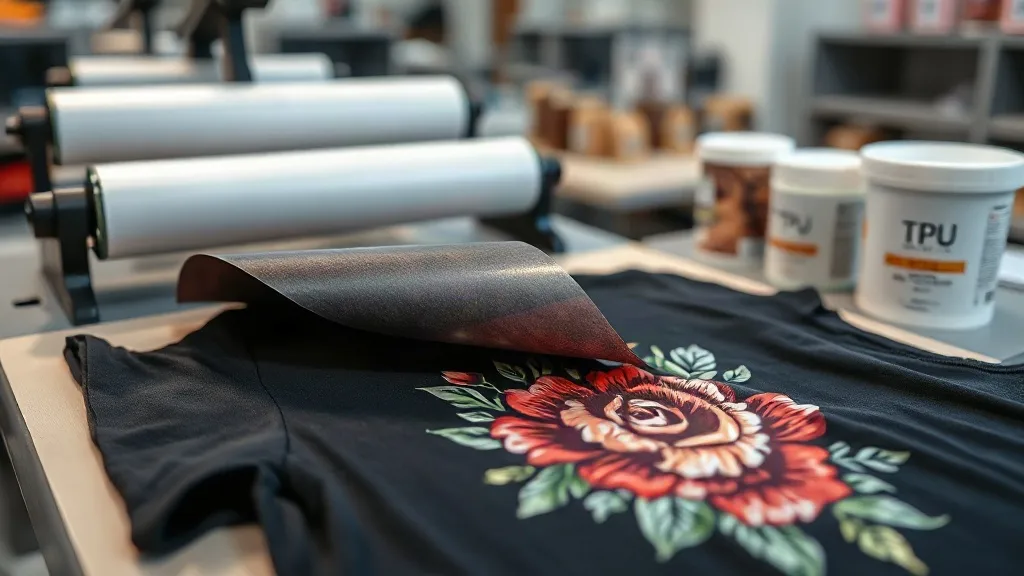
When you run a small print shop, every decision about equipment and supplies affects your bottom line. DTF transfers have become a game-changer for many owners looking to expand their offerings without investing in expensive screen printing setups. Unlike traditional methods that require separate screens for each color, DTF technology lets you print full-color designs in a single pass, opening up new possibilities for custom apparel and promotional items.
In this guide, we'll walk through what DTF transfers are, how they work, and why they might be the right choice for your business. We'll also share practical tips from experienced operators to help you avoid common pitfalls and get the most out of your investment.
What Are DTF Transfers and How Do They Work?
DTF stands for Direct to Film. The process involves printing your design onto a special film using a DTF printer, then applying a powder adhesive to the wet ink. Once the powder is melted, the transfer is ready to be pressed onto fabric. The key advantage is that you can print on a wide range of materials, including cotton, polyester, and blends, without the need for pre-treatment.
The dtf transfers process is relatively simple: design, print, powder, cure, and press. But each step has nuances that affect the final quality. For example, the type of film and powder you use can impact durability and feel. We'll dive into those details later.
The Science Behind the Adhesive
The thermoplastic polyurethane (TPU) powder used in DTF is what makes the transfer stick to fabric. When heated, the powder melts and bonds with the fibers, creating a strong hold. The trick is to apply the right amount of powder and cure it properly. Too little powder and the design won't adhere; too much and you'll get a stiff, plastic-like feel.
Most suppliers offer powder with different melt points to suit various fabrics. For stretchy materials like spandex, a lower melt point powder can prevent cracking. It's worth experimenting to find what works best for your typical orders.
Why Choose DTF Transfers for Your Print Shop?
If you're still on the fence, consider these benefits:
- No color limitations: Print photorealistic images, gradients, and fine details without worrying about color separations.
- Works on multiple fabrics: Cotton, polyester, blends, and even some synthetics like nylon (with proper testing).
- Low startup cost: A DTF printer is more affordable than a screen printing press, and you don't need a separate heat press for each color.
- Fast turnaround: Once the transfer is made, pressing takes seconds, making it ideal for small batches and custom orders.
- Durable results: When done correctly, DTF prints withstand dozens of washes without fading or cracking.
Many shops use dtf as a complement to their existing services. For instance, you might use it for sample runs or one-off custom pieces while keeping screen printing for large orders. The flexibility is a major selling point.
Choosing the Right Supplies for Quality Results
Not all DTF supplies are created equal. The film, powder, and ink all play a role in the final output. Here's what to look for:
Film
Look for film with a consistent coating that releases cleanly. Cheaper films may leave residue or cause the ink to smear during printing. A good film should feel slightly tacky on the coated side and be easy to peel after pressing.
Powder
As mentioned, the powder's melt point and particle size matter. Finer powder gives a softer hand feel but requires more careful application. Coarser powder is more forgiving but can feel grainier. Many shops keep both types on hand for different fabrics.
Ink
Use pigment-based inks designed specifically for DTF. They need to be viscous enough to hold the powder but fluid enough to jet properly. Off-brand inks can clog printheads and ruin your day.
If you're looking for reliable supplies, check out the selection at dtf master print. They offer tested products that many small shops trust.
Step-by-Step DTF Transfer Process
Let's break down the workflow so you can replicate it in your shop.
- Design preparation: Mirror your image horizontally before printing. This is crucial because the transfer is flipped when pressed.
- Printing: Load the film into your DTF printer and print using the appropriate settings. Ensure the ink is evenly applied without banding.
- Powdering: While the ink is still wet, sprinkle the TPU powder evenly over the design. Shake off excess and return it to the container for reuse.
- Curing: Place the film in a curing oven or under a heat gun until the powder melts and forms a smooth layer. The temperature should be around 160-170°C (320-340°F) for about 2-3 minutes.
- Pressing: Set your heat press to 160°C (320°F) with medium pressure. Place the transfer on the fabric, cover with a protective sheet, and press for 10-15 seconds. Peel the film while hot (or cold, depending on the film type).
Practice on scrap fabric until you get consistent results. Small variations in temperature or pressure can affect adhesion.
Common Mistakes and How to Avoid Them
Even experienced operators run into issues. Here are some frequent problems and solutions:
- Design peels off after washing: Likely insufficient pressure or under-cured powder. Increase pressure and ensure the powder is fully melted.
- Stiff, plastic-like feel: Too much powder or overcuring. Use less powder and cure just until melted.
- Clogged printhead: Using incorrect ink or not printing regularly. Run a nozzle check daily and keep the printer clean.
- Film jams: Cheap film or improper humidity. Store film in a dry place and use a film guide if needed.
Keeping a log of your settings for each fabric type can save time troubleshooting later.
Finding DTF Transfers Near Me: What to Look For
If you're not ready to invest in a printer, you can order pre-made transfers from suppliers. When searching for dtf transfers near me, consider these factors:
- Turnaround time: How quickly can they ship? For rush orders, local suppliers may be faster.
- Shipping costs: Factor in delivery fees, especially for small orders.
- Quality consistency: Read reviews or request samples to check color vibrancy and durability.
- Design flexibility: Can you upload your own artwork, or are there limitations?
Many online suppliers offer competitive pricing and fast shipping, so you're not limited to local options. Just ensure they use quality materials.
DTF vs. Other Printing Methods
How does DTF stack up against screen printing, DTG, and vinyl? Here's a quick comparison:
- Screen printing: Better for large orders and bold colors, but setup costs are high for small runs.
- DTG: Great for cotton, but requires pre-treatment and can be slower.
- Vinyl: Ideal for simple designs and names, but not for complex images.
- DTF: Versatile across fabrics, no pre-treatment, and cost-effective for small to medium runs.
For many small shops, DTF fills the gap between vinyl and screen printing, offering flexibility without the overhead.
Frequently Asked Questions
Can I use DTF transfers on dark-colored shirts?
Yes, DTF transfers work on both light and dark fabrics. The white ink layer in the transfer provides a base that makes colors pop on dark backgrounds. Just ensure your printer has white ink capability and that the white layer is properly cured.
How long do DTF transfers last?
When applied correctly, DTF transfers can last as long as the garment itself. Proper washing (inside out, cold water, no harsh detergents) will extend the life. Most quality transfers withstand 50+ washes without significant fading.
Do I need a special heat press for DTF?
Any heat press that reaches 160°C (320°F) and provides even pressure will work. However, a press with a digital timer and temperature control is recommended for consistency. Some shops use a dedicated press for DTF to avoid cross-contamination with other materials.
What fabrics are not suitable for DTF?
DTF adheres best to cotton, polyester, and blends. It may not work well on heavily textured fabrics like mesh or certain nylons. Always test on a small area first. Fabrics with water-repellent coatings can also prevent proper adhesion.
Is DTF more expensive than other methods?
The cost per transfer depends on your volume and supplier. For small batches, DTF is often cheaper than screen printing due to no setup fees. However, for large orders, screen printing may be more economical. Calculate your costs including ink, film, powder, and labor to determine the best option for each job.
DTF transfers have revolutionized the way small print shops operate, offering a versatile and cost-effective solution for custom apparel. By understanding the process and investing in quality supplies, you can deliver professional results that keep customers coming back. Whether you're just starting out or looking to expand, DTF is worth considering.