
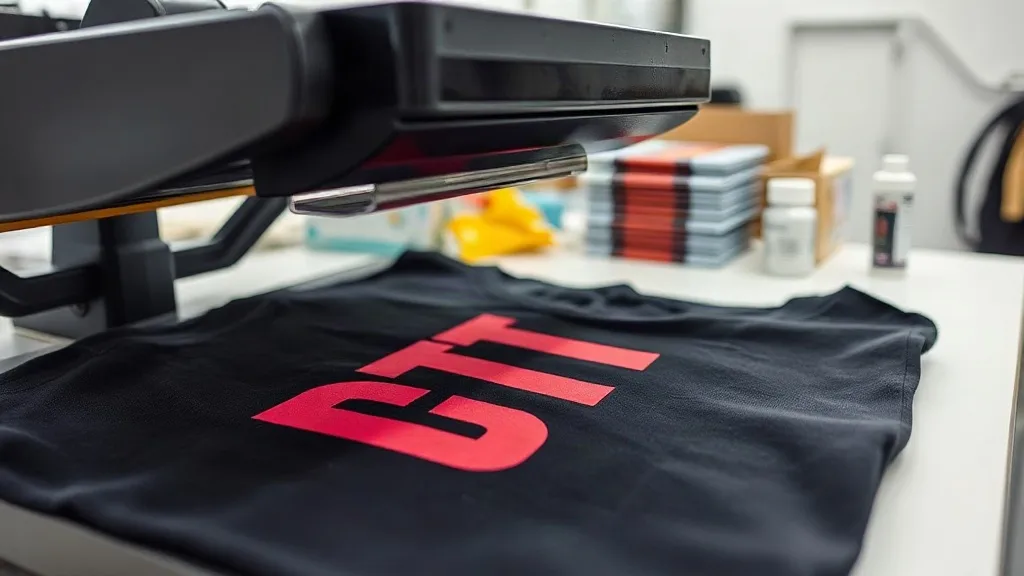
If you've been exploring custom apparel printing, you've likely encountered dtf transfers. This method has rapidly gained popularity for its ability to produce vibrant, detailed prints on a wide range of fabrics without the need for pre-treatment. Unlike other techniques, DTF (Direct-to-Film) printing offers a versatile solution for small shops and hobbyists alike. In this guide, we'll walk you through the essentials of DTF printing, from the basic process to practical tips for flawless results. Whether you're just starting out or looking to refine your skills, this article will equip you with the knowledge to succeed.
What Are DTF Transfers?
DTF transfers are printed designs on a special film that are then transferred onto fabric using heat and pressure. The process involves printing your design onto a PET film with a specialized printer, applying a hot melt powder to the wet ink, and then curing the powder. The resulting transfer can be applied to cotton, polyester, blends, and even some synthetics. The key advantage is that DTF doesn't require pre-treatment of the garment, and it works on dark and light colors equally well.
The DTF Printing Process Step by Step
1. Design Preparation
Start with a high-resolution image. DTF printing can capture fine details, so ensure your design is at least 300 DPI. Remember that the design will be printed in reverse, so mirror it before printing. Also, consider the color profile; DTF printers typically use CMYK plus white ink, so your design should be prepared accordingly.
2. Printing onto Film
Load the DTF film into your printer. The film has a coated side where the ink is deposited. Make sure the printer is set to the correct media type and quality settings. Print the design, ensuring that the white ink layer is applied evenly. The white ink acts as a base for the colors and also provides opacity on dark fabrics.
3. Powder Application
While the ink is still wet, apply the hot melt adhesive powder evenly over the printed area. Shake off excess powder and ensure an even coating. This powder will melt and bond the design to the fabric during heat pressing.
4. Curing the Powder
Use a heat press or a curing oven to melt the powder. The temperature should be around 160-170°C (320-340°F) for about 2-3 minutes. The powder should melt and form a smooth, slightly glossy layer. Avoid over-curing, as it can make the transfer brittle.
5. Pressing onto Fabric
Set your heat press to 160-170°C (320-340°F) with medium pressure. Place the transfer face down onto the fabric, cover with a protective sheet, and press for 10-15 seconds. Let it cool completely before peeling the film. Cold peel is recommended for best results.
Choosing the Right Materials
The quality of your DTF transfers depends heavily on the materials you use. Not all DTF films are created equal; some may cause ink bleeding or poor powder adhesion. Look for films designed for DTF printing, which typically have a release coating that ensures clean transfer. Similarly, the powder should be specifically formulated for DTF; using other adhesives can lead to clogging or poor wash durability. Finally, your printer and ink must be compatible with DTF technology. Using third-party inks might save money initially but can cost you in reliability and print quality.
Common DTF Problems and How to Fix Them
Even experienced printers encounter issues. Here are some common problems and their solutions:
- Ink smudging or bleeding: This often occurs if the film is not compatible or if too much ink is applied. Ensure you're using quality film and check your printer settings.
- Powder not sticking: This can happen if the ink is too dry before powder application. Work quickly and ensure the ink is still wet.
- Transfer peeling after washing: This indicates insufficient pressure or temperature during pressing. Increase pressure and ensure even temperature across the platen.
- Film not releasing cleanly: If the film sticks to the design, it might be due to overheating during pressing or using the wrong film. Try cold peel and check film specifications.
DTF vs. Other Printing Methods
How does DTF compare to screen printing, DTG, and vinyl? DTF excels in short runs and complex designs with many colors, as there's no setup cost per color. Unlike DTG, DTF doesn't require pre-treatment, making it faster for one-offs. Vinyl is limited in detail and color, while DTF can reproduce photographic images. However, for large orders, screen printing might be more cost-effective. DTF is also great for printing on difficult fabrics like nylon and leather, where other methods fail.
Where to Get DTF Transfers Near You
If you're not ready to invest in a DTF printer, you can order custom transfers from a service. When searching for dtf transfers near me, consider factors like turnaround time, minimum order quantity, and reputation. Many local print shops now offer DTF services, and online suppliers can ship anywhere. Always request samples to test quality before committing to a large order.
Tips for Long-Lasting Prints
To ensure your DTF prints withstand repeated washing, follow these care instructions:
- Wash inside out in cold water.
- Avoid using fabric softener or bleach.
- Tumble dry on low or hang dry.
- Do not iron directly on the print; use a pressing cloth if needed.
Additionally, proper storage of unused transfers in a cool, dry place prevents premature degradation.
Frequently Asked Questions
Can I use DTF transfers on any fabric?
DTF works on most fabrics, including cotton, polyester, blends, and even some nylons and leathers. However, fabrics with heavy coatings or waterproof finishes may require testing.
What is the difference between DTF and DTG?
DTG prints directly onto the garment and requires pre-treatment for dark colors. DTF prints onto a film first, then transfers, eliminating pre-treatment and allowing printing on more fabric types.
How do I store unused DTF transfers?
Keep them in a cool, dry place away from direct sunlight. Store them flat or rolled, not folded, to prevent creases.
What temperature should I use for pressing DTF transfers?
Typically, 160-170°C (320-340°F) with medium pressure for 10-15 seconds. Always check the transfer supplier's recommendations.
Why is my DTF transfer cracking after washing?
Cracking usually indicates insufficient pressure during pressing or over-curing of the powder. Ensure even pressure and follow curing guidelines.