
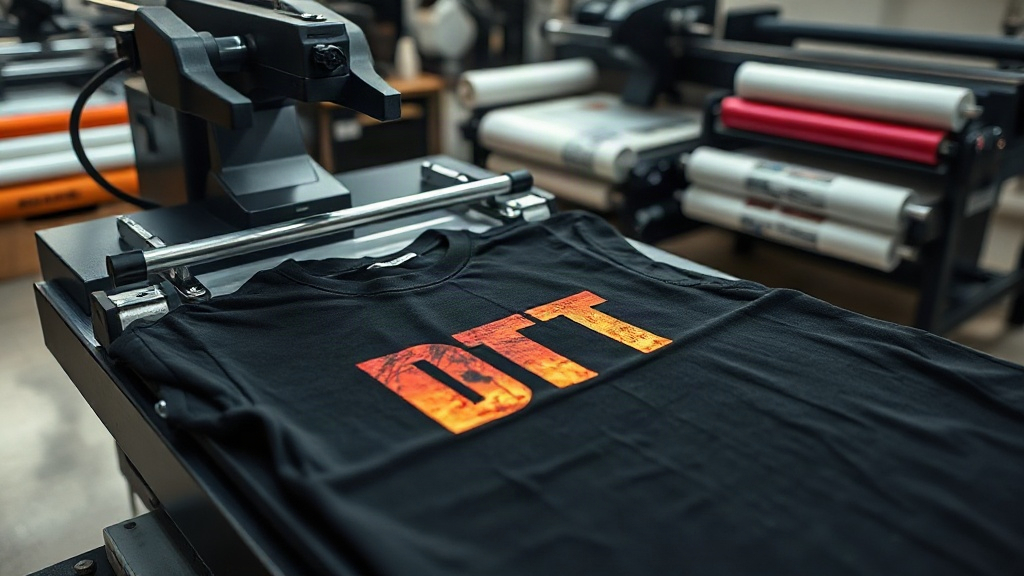
When you need custom apparel that stands out, DTF transfers offer a compelling mix of vibrant color, fine detail, and lasting durability. Unlike traditional methods that can limit your creativity, DTF (Direct to Film) printing unlocks a world of possibilities for small businesses, crafters, and anyone who wants to bring unique designs to life on fabric. In this guide, I'll walk you through what DTF transfers are, how they work, and why they might be the perfect solution for your next project.
What Are DTF Transfers?
DTF transfers are a type of heat-applied decoration where your design is printed onto a special film, coated with a heat-activated adhesive powder, and then transferred to fabric using a heat press. The process begins with a digital printer that lays down white ink and CMYK colors onto a PET film. After printing, the film is dusted with a thermoplastic powder (often TPU) that adheres to the wet ink. Once the powder is melted, the transfer is ready to be applied to garments such as cotton, polyester, blends, and even some synthetics. The result is a soft, stretchable, and highly detailed print that can include gradients, fine lines, and photographic elements without the color limitations of screen printing or the cost of embroidery.
How DTF Transfers Differ from Other Printing Methods
Understanding the distinctions between DTF and other popular techniques helps you choose the right method for your needs. Here's a quick comparison:
- DTF vs. DTG (Direct to Garment): DTG prints directly onto the fabric, which works best on 100% cotton and often requires pre-treatment. DTF transfers can be applied to a wider range of fabrics, including polyester and blends, and typically offer better durability and stretchability.
- DTF vs. Screen Printing: Screen printing requires separate screens for each color, making it cost-effective only for large orders with simple designs. DTF transfers handle full-color, complex designs with no setup fees, making them ideal for small batches and personalized items.
- DTF vs. Vinyl (HTV): Heat transfer vinyl is great for single-color, simple shapes, but layering multiple colors can be time-consuming and bulky. DTF transfers produce a single, soft transfer with unlimited colors and fine details.
The DTF Transfer Process Step by Step
To achieve professional results, follow these steps. While the exact settings may vary by equipment, this overview gives you a solid foundation.
1. Design Preparation
Start with a high-resolution image (300 DPI is recommended). Mirror the design horizontally because the film is placed face-down onto the garment. Ensure that any transparent areas are truly transparent, as the white ink layer will only print where there is color data. If you want a white base under your colors, your RIP software will handle that automatically.
2. Printing
Load the PET film into your DTF printer. The printer lays down a white ink layer first, followed by CMYK inks. Some printers also use a light cyan and light magenta for smoother gradients. After printing, the film passes through a powder shaker that evenly coats the wet ink with adhesive powder. Excess powder is removed, and the film goes through a curing oven to melt the powder, creating a flexible, dry adhesive layer.
3. Transfer Application
Set your heat press to the recommended temperature (usually 300–325°F / 150–160°C) and pressure (medium to firm). Place the garment on the press, position the transfer film on top with the design facing up (adhesive side down), and press for 10–15 seconds. For best results, use a Teflon sheet or parchment paper over the transfer to protect it. After pressing, allow the garment to cool completely before peeling the film. You can peel it cold or hot, depending on the film type; cold peel is more common for DTF.
4. Post-Pressing (Optional)
For extra durability, especially on stretchy fabrics, you can do a second press for 5–10 seconds with a Teflon sheet after peeling. This helps the adhesive fully bond with the fibers.
Benefits of Using DTF Transfers
Why are DTF transfers gaining popularity? Here are the key advantages:
- Versatility: Works on cotton, polyester, blends, leather, and more. No need for multiple garment types in your inventory.
- Vibrant Colors: The white ink base makes colors pop on both light and dark fabrics.
- Fine Detail: Perfect for intricate designs, gradients, and photographs.
- Durability: When applied correctly, DTF prints withstand repeated washing without cracking or fading.
- Cost-Effective for Short Runs: No screens or setup fees, so you can profitably print one-off items.
- Soft Hand Feel: The transfer is thin and stretchable, moving with the fabric.
Common Challenges and How to Overcome Them
Even with a straightforward process, issues can arise. Here are solutions to typical DTF problems:
Adhesive Not Sticking
If the transfer peels off, check your pressure and temperature. Insufficient pressure prevents the adhesive from penetrating the fabric. Also, ensure the garment is free of wrinkles and moisture. Pre-press the garment for a few seconds to remove moisture.
Color Fading After Wash
This often happens if the transfer wasn't fully cured or if you used too high a temperature, which can degrade the ink. Follow the film manufacturer's recommendations and avoid over-pressing. Washing inside out in cold water and avoiding bleach will extend the life of the print.
Film Peeling Off After Press
If the film doesn't peel cleanly, it may be due to insufficient cooling time or too low a temperature. Let the transfer cool completely before peeling. If it still sticks, try a slightly higher temperature or longer press time.
Applications of DTF Transfers
DTF transfers are used across many industries and personal projects:
- Custom T-shirts and Hoodies: Ideal for team uniforms, event merchandise, and fashion apparel.
- Sportswear: The stretchability makes them perfect for jerseys and activewear.
- Corporate Branding: Create branded polos, jackets, and bags with detailed logos.
- Home Decor: Personalize pillows, aprons, and tote bags.
- Promotional Items: Small businesses can offer customized products without minimum orders.
Tips for Getting the Best Results with DTF Transfers
Based on my experience, here are some practical tips to elevate your DTF game:
- Invest in a Quality Printer and RIP Software: A reliable printer and good RIP software ensure consistent ink laydown and color accuracy.
- Use High-Quality Film and Powder: Cheap supplies can lead to clogs, poor adhesion, and unhappy customers.
- Maintain Your Equipment: Regular cleaning of printheads and powder shaker prevents issues.
- Test on Scrap Fabric: Always do a test press to dial in your settings for each fabric type.
- Store Transfers Properly: Keep unused transfers in a cool, dry place away from direct sunlight.
Frequently Asked Questions About DTF Transfers
Can DTF transfers be applied to 100% polyester?
Yes, DTF transfers work well on polyester. However, because polyester is heat-sensitive, use a lower temperature (around 280–300°F) and a shorter press time to avoid scorching or dye migration. Always test a small area first.
How long do DTF transfers last?
With proper application and care, DTF transfers can last as long as the garment itself. Washing inside out in cold water and avoiding high heat in the dryer will help maintain the print's vibrancy and adhesion for years.
Do I need a special printer for DTF transfers?
You need a DTF printer that uses pigment-based inks and has a white ink channel. Some people convert Epson printers with DTF ink systems, but dedicated DTF printers are more reliable for consistent results.
What is the difference between DTF and DTG?
DTF involves printing onto a film and then transferring to fabric, while DTG prints directly onto the garment. DTF works on more fabric types and often produces more durable prints, whereas DTG is limited mainly to cotton and requires pre-treatment.
Can I use DTF transfers on dark colors?
Absolutely. DTF transfers include a white ink base that makes colors opaque on dark fabrics. This is one of the biggest advantages over other methods like sublimation, which requires light-colored polyester.
Final Thoughts
DTF transfers have opened up new creative and business opportunities for apparel decorators. Whether you're a hobbyist or a growing business, understanding the process, benefits, and best practices will help you deliver outstanding results. With the right supplies and a bit of practice, you can produce custom apparel that customers love. If you're ready to dive in, explore the resources and products at dtfmasterprint.com to get started on your DTF journey.