
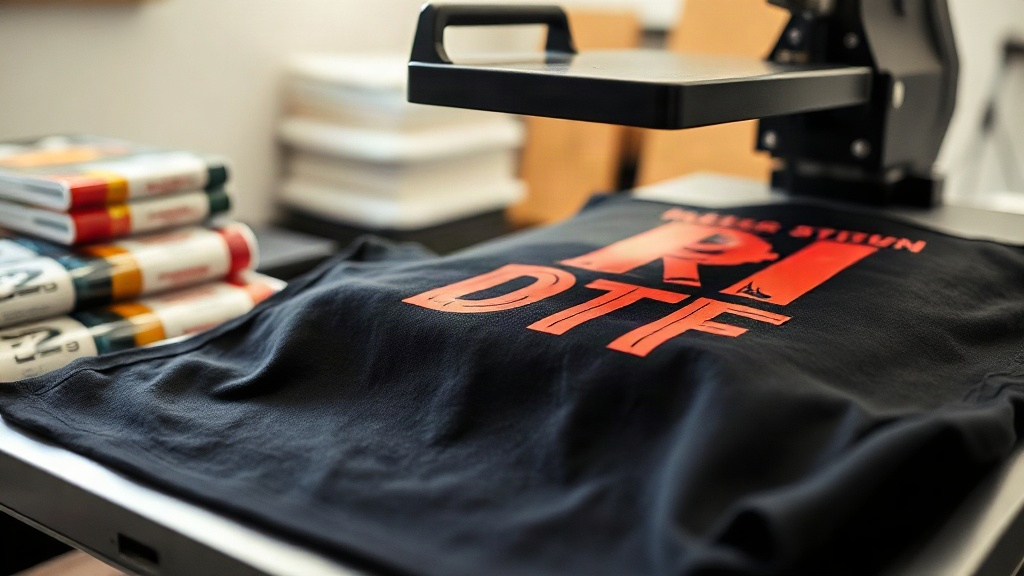
Imagine pressing a vibrant, full-color design onto a dark cotton t-shirt in under a minute, with no weeding, no color limitations, and no expensive setup. That's the promise of DTF Transfers, a technology that has rapidly become a favorite among custom apparel creators. Whether you're a small business owner, a hobbyist, or a professional printer, understanding DTF transfers can open up new creative and commercial possibilities. In this guide, we'll walk you through everything you need to know about DTF transfers, from the basics to advanced tips, so you can decide if this method is right for your next project.
What Are DTF Transfers?
DTF stands for Direct to Film. Unlike DTG (Direct to Garment) printing, which prints directly onto the fabric, DTF transfers involve printing your design onto a special PET film, coating it with a thermoplastic adhesive powder, and then curing it. The result is a flexible, stretchable transfer that can be heat-pressed onto a wide range of materials, including cotton, polyester, blends, and even nylon. The process eliminates the need for color separation or weeding, making it incredibly efficient for both small and large runs.
The DTF Printing Process Step by Step
To appreciate DTF transfers, it helps to understand how they're made. Here's a breakdown of the typical workflow:
- Design Preparation: Your artwork is prepared in a RIP software, which handles color management and mirroring. The design is printed in reverse onto the film.
- Printing: A DTF printer lays down white ink as a base, followed by CMYK inks. The white layer ensures opacity on dark garments.
- Powder Application: While the ink is still wet, a hot-melt adhesive powder is applied evenly over the print. Excess powder is shaken off.
- Curing: The film passes through a curing oven or heat press to melt the powder, creating a dry, stable transfer.
- Transfer: The cured film is placed on the garment and pressed with a heat press at specific temperature, pressure, and time. After cooling, the film is peeled away, leaving the design bonded to the fabric.
Why Choose DTF Transfers?
DTF transfers offer several compelling advantages over other decoration methods. Let's explore the key benefits.
Unmatched Versatility
One of the biggest draws is the ability to print on almost any fabric. Unlike vinyl or DTG, DTF doesn't require 100% cotton or specific pretreatments. You can apply DTF transfers to cotton, polyester, cotton-poly blends, leather, denim, and even some synthetic materials. This makes it ideal for a diverse product range, from t-shirts and hoodies to tote bags and caps.
Vibrant Colors and Fine Details
DTF printers use CMYK plus white ink, allowing for millions of colors and smooth gradients. The white base layer ensures that colors pop on dark backgrounds, and the high resolution captures intricate details, including small text and thin lines. The result is a print that looks and feels like part of the garment, with excellent wash durability.
Cost-Effective for Short Runs
Screen printing requires separate screens for each color, making short runs expensive. DTF transfers eliminate setup costs, so you can print one-offs or small batches economically. This is perfect for personalized gifts, sample products, or limited editions. For larger orders, DTF remains competitive, especially when you factor in the time saved on setup and cleanup.
No Weeding or Cutting
With heat transfer vinyl (HTV), you must cut and weed the design, which is time-consuming and limits complexity. DTF transfers come ready to press, with no weeding required. This streamlines production and reduces labor costs, allowing you to take on more orders.
DTF Transfers vs. Other Printing Methods
How does DTF stack up against DTG, screen printing, and sublimation? Here's a quick comparison.
- DTG: Best for 100% cotton, but requires pretreatment and can be slow. DTF works on more fabrics and often has better durability on blends.
- Screen Printing: Ideal for large runs with few colors, but expensive for short runs and complex designs. DTF excels in short runs and full-color images.
- Sublimation: Only works on polyester or specially coated items, and the print becomes part of the fabric. DTF can be applied to cotton and dark fabrics, offering more flexibility.
- HTV: Great for simple designs but limited in color and detail. DTF handles complex, multi-color designs with ease.
Getting Started with DTF Transfers
If you're ready to dive into DTF, here's what you'll need and how to set up your workflow.
Essential Equipment
To produce DTF transfers, you'll need:
- A DTF printer (dedicated or converted from an inkjet).
- DTF ink (CMYK and white).
- PET film (usually 75-100 microns).
- Hot-melt adhesive powder.
- Curing oven or heat press for powder curing.
- Heat press for transferring to garments.
- RIP software for color management.
Start with a reliable printer and quality supplies. Cheaper inks and films can lead to clogging, poor adhesion, or faded prints.
Step-by-Step Transfer Application
Applying a DTF transfer is straightforward, but following the correct parameters is crucial for a durable result.
- Preheat your heat press to the recommended temperature (typically 300-320°F / 150-160°C).
- Place the garment on the press and pre-press for a few seconds to remove moisture.
- Position the DTF transfer on the garment, print side down.
- Press with medium to heavy pressure for 10-15 seconds.
- Remove the garment from the press and let it cool completely.
- Peel the film off slowly. If the design lifts, press again for a few more seconds.
- For best durability, post-press the design for another 5-10 seconds with a protective sheet.
Common Challenges and How to Overcome Them
Even with a solid setup, you might encounter issues. Here are some common problems and solutions.
Poor Adhesion
If the transfer peels off after washing, it's likely due to insufficient pressure, incorrect temperature, or under-cured powder. Ensure your heat press is calibrated and apply consistent pressure. Also, check that the powder is fully melted during curing; it should look glossy, not matte.
Clogged Printheads
DTF inks, especially white, can settle and clog nozzles. Regular maintenance is key: print a test pattern daily, keep the printhead capped, and use a cleaning solution. If you're not printing for a while, run a cleaning cycle.
Color Accuracy
Colors may appear differently on screen versus printed. Use ICC profiles and RIP software to manage expectations. Calibrate your monitor and create custom profiles for your printer and ink set.
Expert Tips for Flawless DTF Transfers
Take your DTF game to the next level with these practical tips from seasoned printers.
- Storage: Store unused transfers in a cool, dry place away from direct sunlight. Humidity can affect the powder.
- Testing: Always do a test press on a scrap garment to dial in your settings.
- Layering: For multi-layer designs, press each layer separately, but be careful not to over-press and flatten the texture.
- Stretch: DTF transfers have some stretch, but for high-stretch fabrics, consider using a stretch additive or a lower temperature to maintain flexibility.
- Wash Care: Advise customers to wash garments inside out in cold water and tumble dry low to prolong the print's life.
Frequently Asked Questions About DTF Transfers
How long do DTF transfers last?
With proper application and care, DTF transfers can last as long as the garment itself, often 50+ washes. The key is correct pressing parameters and avoiding harsh detergents or high heat.
Can I use DTF transfers on 100% polyester?
Yes, DTF works well on polyester. However, because polyester is heat-sensitive, use a lower temperature (around 280-300°F) and shorter press time to avoid scorching or dye migration. Always test first.
Do I need special ink for DTF printing?
Yes, DTF requires specially formulated DTF inks, including white ink for the base layer. Using regular inkjet ink will not work because it lacks the necessary adhesion and flexibility.
What's the difference between DTF and DTG?
DTG prints directly onto the garment, while DTF prints onto a film that is then transferred. DTF can be used on more fabric types and doesn't require pretreatment, but DTG may have a softer hand feel on 100% cotton.
Can I sell DTF-printed apparel?
Absolutely. Many businesses use DTF transfers for custom apparel. Just ensure you have the right to use the artwork and that your prints meet quality standards for your customers.
DTF transfers have democratized custom apparel printing, offering a blend of quality, versatility, and affordability that's hard to beat. Whether you're just starting out or looking to expand your services, mastering DTF can set you apart. With the right equipment, supplies, and techniques, you'll be creating stunning, durable prints that keep customers coming back.