
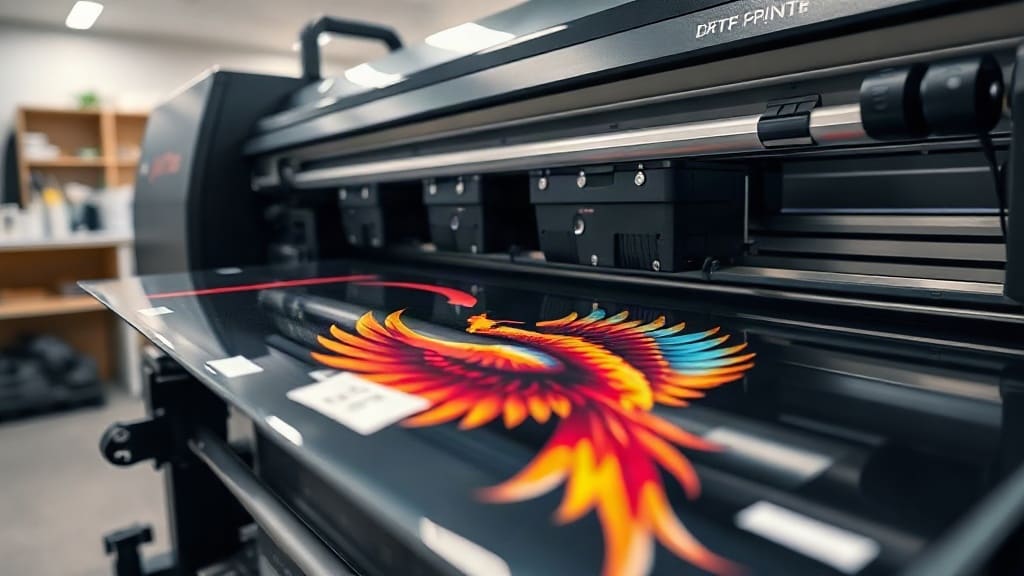
DTF transfers have revolutionized the custom apparel industry, offering a versatile and cost-effective way to create vibrant designs on various fabrics. Whether you're a small business owner, a hobbyist, or a large-scale printer, understanding this technology can elevate your printing game. In this guide, we'll dive deep into what DTF transfers are, how they compare to traditional methods, and how to get started.
What Are DTF Transfers?
DTF, which stands for Direct to Film, is a printing method where a design is printed onto a special PET film, coated with adhesive powder, and then heat-pressed onto a garment. Unlike direct-to-garment (DTG) printing, which prints directly onto the shirt, DTF involves a transfer process that allows you to print designs in advance and apply them later. This makes it incredibly flexible for production runs and on-demand orders.
The process begins with a high-quality inkjet printer that uses specialized CMYK and white inks. The white ink is crucial because it creates an opaque base, allowing colors to pop on dark fabrics. After printing, an adhesive powder is applied to the wet ink, and the film is heated to cure the powder. The result is a transfer that can be stored and applied whenever needed.
Advantages of DTF Transfers Over Other Methods
When compared to screen printing and DTG, DTF transfers offer several distinct benefits:
- Versatility: DTF transfers work on a wide range of fabrics, including cotton, polyester, blends, and even nylon, without requiring pre-treatment. This gives you the freedom to print on various products like t-shirts, hoodies, bags, and caps.
- Color Vibrancy: The white ink layer ensures that designs appear bright and vivid, even on dark garments. You can achieve a level of detail and color accuracy that rivals screen printing.
- Durability: DTF transfers are known for their durability. They can withstand repeated washing without cracking or fading, especially when applied correctly with the right pressure and temperature.
- Cost-Effective for Small Runs: Unlike screen printing, which requires expensive setup for each color, DTF transfers have minimal setup costs. This makes them ideal for short runs, personalized items, and samples.
- Fast Turnaround: Since transfers can be printed in advance, you can fulfill orders quickly, even for last-minute requests. This efficiency is a game-changer for businesses.
How to Use DTF Transfers: A Step-by-Step Guide
Applying DTF transfers is straightforward, but attention to detail ensures a professional finish. Here's how to do it:
- Prepare your design: Create or choose a design with a resolution of at least 300 DPI. Mirror the design before printing, as it will be applied face-down onto the garment.
- Print onto film: Load the PET film into your DTF printer with the correct side up. Print the design using the appropriate ink settings for your printer and film type.
- Apply adhesive powder: While the ink is still wet, evenly coat the printed area with adhesive powder. Shake off the excess, ensuring the powder only sticks to the ink, not the film.
- Heat to cure: Place the film in a heat press or a curing oven at about 120-150°C (248-302°F) for a few minutes. This melts the powder and activates the adhesive.
- Pre-press the garment: To remove moisture and wrinkles, pre-press the garment for 2-3 seconds.
- Position and press: Place the transfer on the garment with the film side up. Press at around 160°C (320°F) for 15-20 seconds with medium pressure. Then, perform a hot peel or cold peel, depending on the film type, to reveal the design.
- Final press: For extra durability, do a final press over the design with a silicone sheet or parchment paper for 5-10 seconds.
Using the right heat press settings is essential. Too little heat or pressure will result in poor adhesion, while too much can damage the fabric.
DTF Transfers in Your Business
If you're considering adding DTF to your printing services, you're tapping into a growing market. Custom apparel is always in demand, and DTF transfers let you offer a wide range of products without significant upfront investment. You can start with a modest setup: a DTF printer, a heat press, and a few consumables. As your business grows, you can scale up.
One of the biggest advantages is the ability to stock pre-printed transfers. This allows you to offer same-day or next-day shipping on popular designs. Moreover, because transfers are easy to store, you can print in batches and apply them as orders come in, reducing the risk of unsold inventory.
Choosing the Right Equipment and Supplies
To achieve the best results, invest in quality equipment and consumables. Here's what you need:
- DTF Printer: Look for a printer with a reliable ink system, especially for white ink circulation. Epson-based printers are popular for their print head quality. Ensure it's compatible with DTF inks and films.
- DTF Inks: Use high-quality pigment inks with a high opacity white. The ink should be durable and flexible to prevent cracking.
- PET Film: Choose a film that has a good coating for ink absorption and a matte or glossy finish, depending on your preference. Some films are designed for hot or cold peel.
- Adhesive Powder: The powder is available in different mesh sizes. A fine powder works well for detailed designs, while a coarser powder is suitable for larger areas.
- Heat Press: A clamshell or swing-away heat press with precise temperature control is ideal. Ensure it can accommodate the size of your transfers.
Quality supplies can make a significant difference in the final product. Cheaper materials may compromise color vibrancy and wash fastness.
Tips for Perfect DTF Transfers
Getting the best results from DTF transfers requires some practice. Here are expert tips to avoid common pitfalls:
- Test, test, test: Before running a full batch, always test with a sample garment to dial in the correct settings.
- Control humidity: DTF inks and powders are sensitive to moisture. Store your materials in a dry environment to prevent clumping and ink issues.
- Use a blotter or lint roller: Remove lint and dust from the garment before pressing to ensure a clean bond.
- Maintain your printer: White ink can settle and clog. Regularly shake ink cartridges and run cleaning cycles to keep the print heads healthy.
- Press with the right pressure: Inconsistent pressure can lead to uneven adhesion. Use a pressure gauge if possible, and always press evenly.
Frequently Asked Questions About DTF Transfers
Can I use DTF transfers on any fabric?
Yes, DTF transfers are extremely versatile. They work on cotton, polyester, blends, and even 100% nylon, though you may need to adjust the temperature and pressure for synthetic fabrics to avoid melting. Always test on a small area first.
How long do DTF transfers last?
With proper application and care, DTF transfers can last as long as the garment itself. They withstand multiple washes without peeling, cracking, or fading. The key is using quality materials and following the correct pressing parameters.
What is the difference between DTF and DTG?
DTG prints directly onto the garment, while DTF prints onto a film that is then transferred. DTF offers more flexibility for printing on various fabrics and allows for pre-printing designs, whereas DTG is limited to 100% cotton and requires pre-treatment for dark shirts.
Do I need a special printer for DTF?
Yes, you need a printer that can handle DTF inks, especially the white ink. Most DTF printers are modified Epson printers with a bulk ink system and a white ink circulation feature to prevent settling. You cannot use a regular inkjet printer.
Can I use DTF transfers for small orders?
Absolutely, DTF is perfect for small orders because there are no setup fees or minimum quantities. You can print a single transfer as easily as a hundred, making it ideal for personalized gifts and custom orders.
Conclusion
DTF transfers are a game-changer in the custom apparel world. They offer unbeatable versatility, durability, and cost-effectiveness, making them suitable for hobbyists and professionals alike. By understanding the process and investing in the right equipment, you can produce stunning, long-lasting prints on a variety of garments. Whether you're looking to expand your existing business or start a new venture, DTF transfers provide a pathway to success. So why wait? Dive into the world of DTF and unlock your creative potential.