
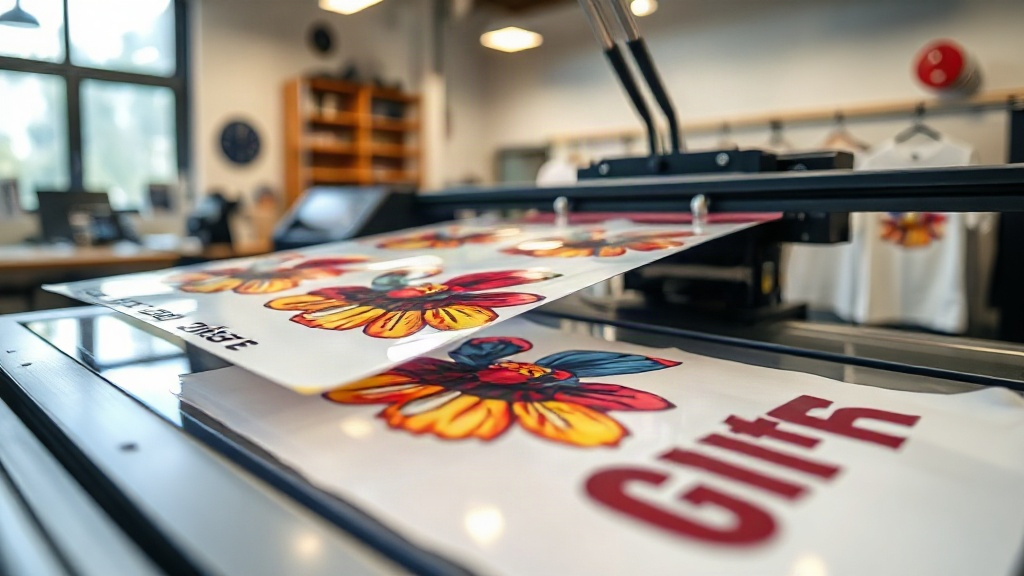
If you've been exploring custom apparel printing, you've likely encountered DTF printing. Short for Direct to Film, this technology has quickly become a favorite among hobbyists and professionals alike. Unlike traditional methods that require specific fabrics or extensive setup, DTF printing offers unmatched versatility and vibrant results. In this guide, we'll dive deep into the world of DTF transfers, covering everything from the basics to advanced tips, so you can decide if it's right for your projects.
What Exactly Is DTF Printing?
DTF printing is a digital printing method where your design is printed onto a special film, coated with a powder adhesive, and then heat-pressed onto fabric. The process eliminates the need for pre-treatment or weeding, making it incredibly efficient. The magic lies in the transfer film: it holds the ink and adhesive, allowing the design to bond permanently with the fabric when heat is applied.
This method works on a wide range of materials, including cotton, polyester, blends, and even leather. That versatility is a game-changer for anyone who works with diverse fabrics.
Why DTF Printing Stands Out
There are several reasons why DTF printing has gained such a loyal following. Let's break down the key advantages.
Unmatched Material Compatibility
Unlike DTG (Direct to Garment) printing, which typically requires 100% cotton, DTF transfers adhere beautifully to almost any fabric. Whether you're printing on a polyester jersey, a cotton tote bag, or a denim jacket, the results are consistent and durable.
No Weeding, No Pre-Treatment
With vinyl printing, you spend hours weeding tiny details. With DTG, you often need to pre-treat the garment. DTF printing eliminates both steps. The film is printed, powdered, and cured, then it's ready to press. This saves time and reduces errors, especially for intricate designs.
Vibrant, Long-Lasting Colors
DTF transfers produce bright, opaque colors that pop on both light and dark fabrics. The prints are also highly stretchable and crack-resistant when applied correctly, meaning your designs survive repeated wear and washing.
Cost-Effective for Small and Large Runs
Since DTF printing is digital, there's no minimum order quantity. You can print one-off designs or scale up to hundreds without losing efficiency. The per-unit cost remains competitive, making it accessible for small businesses and DIY enthusiasts.
The DTF Printing Process Step by Step
Curious about how it all comes together? Here's a detailed walkthrough of the DTF printing workflow.
1. Design Preparation
Start with your artwork in a digital format. Ensure it's high resolution (300 DPI recommended) and mirrored horizontally before printing. This mirroring is crucial because the film will be flipped when transferred.
2. Printing onto Film
Load the DTF film into your printer. A specialized DTF printer uses pigment inks to print the design onto the film. The printer lays down a layer of white ink first (for opacity on dark fabrics) followed by the color layers.
3. Powder Application
While the ink is still wet, the film is sprinkled with a hot-melt adhesive powder. You then shake off the excess powder, ensuring only the printed area retains it.
4. Curing
The film goes into a curing oven or under a heat press for a few minutes. This melts the powder, creating a smooth, dry adhesive layer that will bond with the fabric.
5. Heat Pressing
Finally, place the transfer onto your fabric and apply heat and pressure using a heat press. Once cooled, peel off the film. The design remains, permanently fused to the garment.
Essential Tips for Flawless DTF Transfers
To get professional-grade results, keep these pointers in mind.
- Choose the right film: Not all DTF films are created equal. Look for films that match your printer and desired finish (matte or glossy).
- Control moisture: Humidity can affect powder adhesion. Store film and powder in a dry environment.
- Test your heat press settings: Temperature, pressure, and time vary by fabric. Always do a test press on a scrap piece.
- Use a cover sheet: When pressing, place a Teflon sheet or parchment paper over the transfer to protect your heat press and the design.
- Wash inside out: To extend the life of your DTF prints, wash garments inside out in cold water and avoid harsh detergents.
Common Applications of DTF Printing
DTF printing isn't just for t-shirts. Its flexibility opens doors to numerous creative and commercial uses.
- Custom apparel: T-shirts, hoodies, leggings, and jackets.
- Accessories: Tote bags, hats, and socks.
- Home decor: Pillow covers, aprons, and quilt patches.
- Promotional items: Branded uniforms, event merchandise, and giveaways.
DTF vs. Other Printing Methods
How does DTF stack up against DTG, screen printing, and vinyl? Here's a quick comparison.
DTF vs. DTG
DTG requires pre-treatment and works best on 100% cotton. DTF needs no pre-treatment and adheres to almost any fabric. DTG prints directly onto the garment, while DTF uses a transfer film. For dark garments, DTF often produces more vibrant colors.
DTF vs. Screen Printing
Screen printing is cost-effective for large orders but requires setup for each color. DTF is digital, so no screens are needed, making it ideal for small batches and complex designs. However, screen printing can be more durable for very long runs.
DTF vs. Vinyl
Vinyl is great for simple, single-color designs but requires weeding. DTF handles full-color, detailed graphics with ease and no weeding. Vinyl may have a slight edge in stretchability, but DTF is close behind.
Getting Started with DTF Printing
Ready to try DTF printing? Here's what you'll need.
- DTF printer: A dedicated printer that uses DTF inks (often converted from Epson or similar).
- DTF film: Available in sheets or rolls, compatible with your printer.
- Hot-melt powder: Specifically designed for DTF transfers.
- Curing oven or heat press: For melting the powder.
- Heat press: For applying the transfer to the fabric.
- Design software: Any vector or raster program (Photoshop, Illustrator, CorelDRAW).
Start with a small setup to learn the ropes. As you gain confidence, you can expand your offerings.
Frequently Asked Questions About DTF Printing
How durable are DTF prints?
When applied correctly, DTF prints can last as long as the garment itself. They resist cracking, peeling, and fading even after multiple washes. Proper washing (inside out, cold water) further extends their life.
Can I use DTF on 100% polyester?
Absolutely. DTF transfers work exceptionally well on polyester, including athletic wear and jerseys. The key is to adjust heat press settings to avoid scorching the fabric.
Do I need a special printer for DTF?
Yes, you need a printer that supports DTF inks and film. Many people convert Epson eco-solvent or pigment printers. Alternatively, you can buy a dedicated DTF printer. It's also possible to outsource printing to a service if you're not ready to invest.
What's the difference between DTF and DTG?
DTG prints directly onto the garment and requires pre-treatment, while DTF uses a transfer film and powder adhesive. DTF works on more fabrics and often yields brighter colors on dark materials.
How do I store DTF transfers?
Store unused DTF transfers in a cool, dry place, away from direct sunlight. Keep them flat to prevent creasing. Properly stored, they can last for months.
With its versatility, vibrant results, and ease of use, DTF printing is a powerful tool for anyone in the custom apparel industry. Whether you're a hobbyist or a business owner, mastering DTF transfers can elevate your creations and streamline your workflow. So why not give it a try? Your next custom masterpiece awaits.