
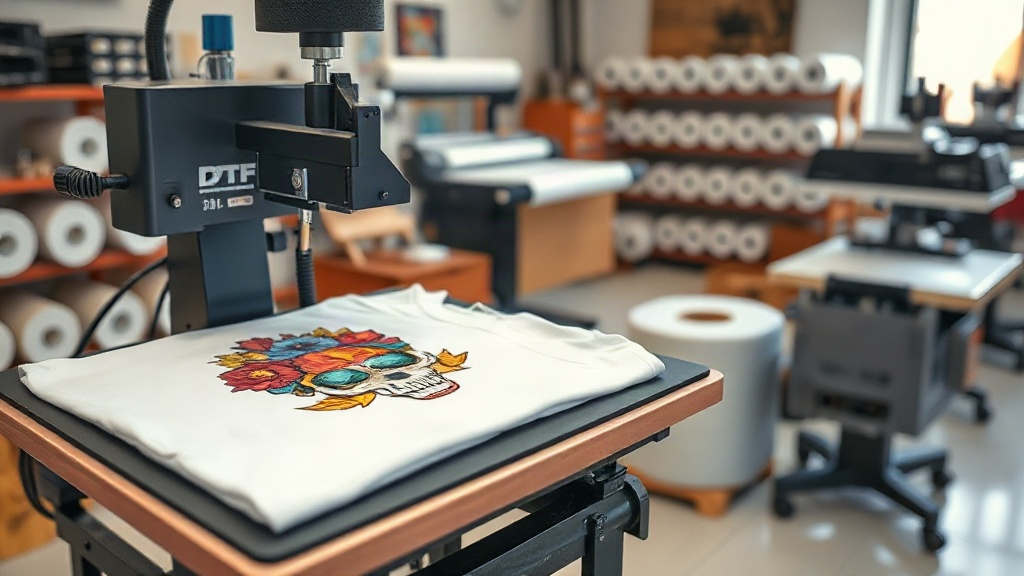
If you've been exploring custom apparel printing, you've likely encountered DTF printing. Short for Direct-to-Film, this technology has quickly become a favorite among hobbyists and professionals alike. Unlike traditional methods that require specialized equipment or messy processes, DTF offers a streamlined way to transfer detailed designs onto various fabrics. In this guide, I'll walk you through everything you need to know about DTF printing, from its mechanics to practical tips for getting started.
What Exactly Is DTF Printing?
DTF printing is a digital printing method where your design is printed onto a special film, coated with a heat-activated adhesive powder, and then transferred to fabric using a heat press. The process begins with a digital printer equipped with pigment inks. These printers are typically modified to handle the unique demands of printing on film. Once printed, the film is dusted with adhesive powder, which is then melted to create a bond. Finally, the film is pressed onto the garment, and after cooling, the film is peeled away, leaving your design embedded in the fabric.
The key difference between DTF and other methods like DTG (Direct-to-Garment) or screen printing is the use of a transfer film. This allows for greater flexibility in terms of fabric types and design complexity. For example, you can print on cotton, polyester, blends, and even treated nylon. The colors are vibrant, and the detail is sharp, making it ideal for photographic designs and small text.
Why DTF Printing Stands Out
There are several reasons why DTF printing has gained such a strong following. Let's break down the main advantages.
Versatility Across Fabrics
One of the biggest draws is that DTF works on almost any fabric. Whether you're printing on 100% cotton t-shirts, polyester jerseys, or even canvas bags, the results are consistent. This is a significant advantage over DTG, which often requires pre-treatment and works best on cotton. With DTF, you can diversify your product offerings without investing in multiple printing setups.
No Weeding or Cutting Required
If you've ever worked with heat transfer vinyl (HTV), you know the pain of weeding out tiny details. DTF eliminates that entirely. The design is printed and powdered, so there's no cutting or weeding. This saves hours of labor, especially for intricate designs with multiple colors. It's a game-changer for small businesses looking to scale production.
Durability and Washability
When done correctly, DTF transfers are highly durable. They can withstand dozens of washes without fading, cracking, or peeling. The adhesive powder creates a strong bond with the fabric, and the pigment inks are resistant to fading. I've personally seen DTF prints last over 50 washes with proper care. That said, following the right washing instructions is crucial to maximize longevity.
Cost-Effective for Short Runs
Unlike screen printing, which requires separate screens for each color and becomes cost-effective only at higher quantities, DTF is economical for small batches. You can print one-offs or small orders without breaking the bank. This makes it perfect for personalized gifts, sample runs, or limited editions.
How to Get Started with DTF Printing
Ready to dive in? Here's a step-by-step overview of the DTF printing process, from design to finished product.
1. Design Preparation
Start with your artwork in a digital format. Most DTF printers use CMYK inks, so ensure your design is in CMYK color mode for accurate colors. Also, consider the background: DTF prints are typically transferred with a white ink layer behind the colors to make them pop on dark fabrics. Your design should have transparent backgrounds where you want the fabric to show through. Use design software like Adobe Photoshop, Illustrator, or free alternatives like GIMP or Inkscape.
2. Printing onto Film
Load your DTF film into the printer. These films have a special coating that receives the ink. Print your design using pigment inks. Note that DTF printers require regular maintenance to prevent clogging, so follow the manufacturer's guidelines.
3. Applying Adhesive Powder
While the ink is still wet, sprinkle the adhesive powder evenly over the printed area. Then, shake off the excess. The powder should stick only to the wet ink. Next, place the film in a curing oven or under a heat gun to melt the powder. This step is critical: under-curing leads to poor adhesion, while over-curing can cause the powder to burn. Aim for a temperature around 320°F (160°C) for about 2-3 minutes, but check your powder's specifications.
4. Heat Pressing
Set your heat press to the recommended temperature, usually between 300°F and 350°F (150-175°C). Place the garment on the press, position the film with the design facing up, and press for 10-15 seconds with medium pressure. Then, remove the garment and let it cool completely before peeling off the film. Peeling while hot can distort the design.
5. Post-Pressing (Optional)
For added durability, some professionals recommend a second press for 5-10 seconds after peeling. This helps the design settle into the fabric. However, this step is optional and depends on your adhesive and film.
Common Challenges and How to Overcome Them
Like any printing method, DTF has its quirks. Here are a few issues you might encounter and how to fix them.
- Faded or dull colors: This often happens if the white ink layer is insufficient or if the powder isn't fully cured. Ensure your printer is producing a solid white base and that the powder is melted evenly.
- Peeling after washing: This indicates poor adhesion. Check your heat press temperature and pressure. Also, make sure the garment is free of fabric softeners or moisture before pressing.
- Clogged printhead: Pigment inks can dry out. Perform regular nozzle checks and cleanings. Store your printer in a dust-free environment.
- Powder not sticking: If the powder doesn't adhere to the ink, the ink may be too dry. Print with higher ink density or adjust the printer settings.
DTF vs. Other Printing Methods
How does DTF stack up against DTG, screen printing, and vinyl? Let's compare.
- DTG: Best for 100% cotton, requires pre-treatment, and can be slow. DTF works on more fabrics and often has lower startup costs.
- Screen Printing: Ideal for large orders with few colors. DTF wins for detailed, multi-color designs and small batches.
- Vinyl: Great for simple text and shapes but limited in complexity. DTF handles photographic images with ease.
Each method has its place, but DTF shines for its versatility and ease of use.
Tips for Success with DTF Printing
To get the best results, keep these practices in mind:
- Invest in quality supplies: Not all films and powders are created equal. Cheaper options may lead to inconsistent results. Look for reputable brands.
- Master your heat press: Temperature, pressure, and time are critical. Use a laser thermometer to verify your press's actual temperature.
- Store film properly: Keep unused film in a cool, dry place to prevent curling or moisture absorption.
- Test, test, test: Before a big order, run test prints on similar fabric to dial in your settings.
- Join communities: Online forums and social media groups are invaluable for troubleshooting and tips.
Frequently Asked Questions
Can I use DTF printing on dark garments?
Absolutely. DTF printing excels on dark fabrics because the white ink layer provides a bright base for the colors. Just ensure your design includes a white underbase where needed.
How long does a DTF transfer last?
With proper application and care, a DTF transfer can last as long as the garment itself. Expect at least 50 washes if you follow washing instructions: turn the garment inside out, use cold water, and avoid harsh detergents.
Do I need a special printer for DTF?
Yes, you need a printer that uses pigment inks and is compatible with DTF film. Many people convert Epson printers for this purpose. Alternatively, you can buy dedicated DTF printers.
Is DTF printing cost-effective for small businesses?
Definitely. The ability to print single items without setup costs makes DTF ideal for small businesses, especially those offering personalized products. The per-unit cost is reasonable, and you can scale as you grow.
What fabrics work best with DTF?
DTF works well on cotton, polyester, blends, and even some synthetic fabrics. It's not recommended for nylon or fabrics with heavy coatings, as adhesion may be poor.
With its versatility, durability, and ease of use, DTF printing is a fantastic option for anyone looking to create custom apparel. Whether you're a hobbyist or a business owner, mastering DTF can open up a world of creative possibilities. So why not give it a try? Your next great design is just a print away.