
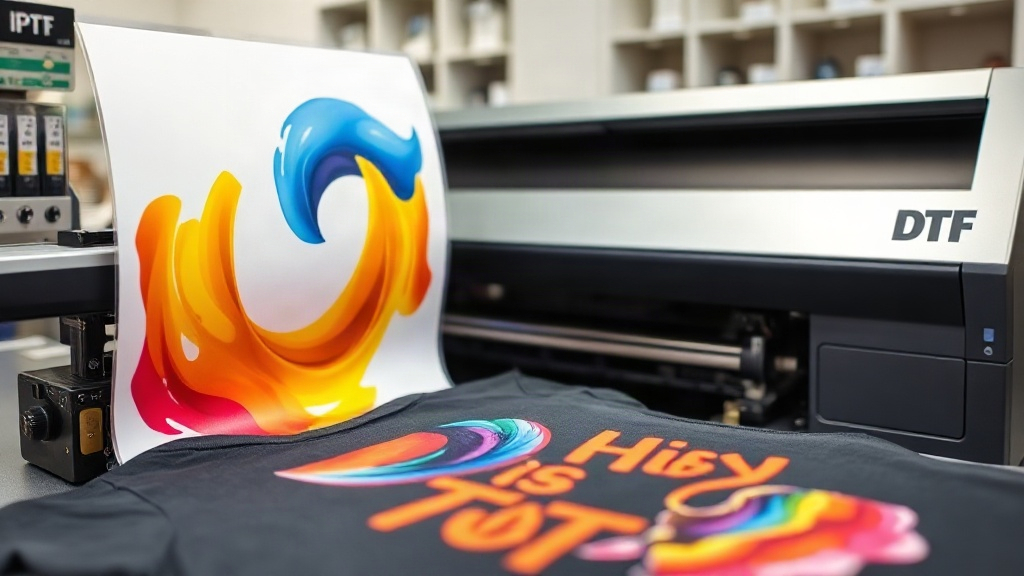
If you've been exploring custom apparel printing, you've likely encountered DTF printing. Short for Direct-to-Film, this method has rapidly gained popularity for its versatility and vibrant results. Unlike traditional techniques, DTF printing allows you to transfer detailed designs onto a wide range of fabrics with ease. Whether you're a hobbyist or a small business owner, understanding DTF printing can open up new creative possibilities.
In this guide, we'll walk you through the essentials of DTF printing, from the basic process to practical tips that ensure professional-quality outcomes. By the end, you'll have a clear roadmap to start your own DTF projects with confidence.
What Exactly Is DTF Printing?
DTF printing stands for Direct-to-Film. It's a digital printing technology where your design is printed onto a special film, coated with a heat-activated adhesive powder, and then transferred onto fabric using a heat press. This two-step process sets it apart from DTG (Direct-to-Garment) and sublimation, offering unique advantages like the ability to print on dark colors and diverse materials without pre-treatment.
The magic of DTF lies in its simplicity and flexibility. You can print intricate details, gradients, and even photographic images that hold up well after washing. Plus, because the design sits on top of the fabric, it works on cotton, polyester, blends, and even leather or canvas.
The DTF Printing Process Step by Step
To get started with DTF, you'll need a few key components: a DTF printer, DTF film, DTF ink, adhesive powder, and a heat press. Here's how the process unfolds:
- Design Preparation: Create your artwork in a graphic design software. Remember to mirror the image horizontally before printing, as the transfer will be flipped.
- Printing: Load the DTF film into your printer and print the design using specialized DTF inks (typically CMYK plus white).
- Powder Application: While the ink is still wet, sprinkle the adhesive powder evenly over the printed area. Shake off excess.
- Curing: Place the film in a curing oven or under a heat source to melt the powder until it becomes glossy. This step is crucial for durability.
- Transfer: Set your heat press to the recommended temperature (usually around 160°C/320°F) and press the film onto the fabric for 10-15 seconds.
- Peel: Wait for the film to cool (cold peel) or peel while hot (hot peel) depending on the film type. Then remove the film to reveal your vibrant design.
Each step requires attention to detail, but with practice, you'll develop a rhythm that yields consistent results.
Why Choose DTF Over Other Printing Methods?
DTF printing offers several compelling benefits that make it a standout choice:
- Versatility: Works on almost any fabric, including cotton, polyester, nylon, and even treated leather.
- No Pre-Treatment: Unlike DTG, you don't need to pre-treat garments, saving time and money.
- Vibrant Colors: The white ink layer ensures bright, opaque colors on dark fabrics.
- Durability: When properly applied, DTF transfers withstand repeated washing without cracking or fading.
- Cost-Effective for Small Runs: No minimum order quantities, making it ideal for custom orders.
However, DTF isn't without its challenges. The feel of the print can be slightly thicker than DTG, and the process involves multiple steps. Yet, for many, the pros far outweigh the cons.
DTF vs. DTG vs. Sublimation: A Quick Comparison
To help you decide, here's a side-by-side look:
- DTF: Best for dark and light fabrics, no pre-treatment, durable, slight texture.
- DTG: Ideal for 100% cotton, soft feel, but requires pre-treatment and works poorly on dark colors.
- Sublimation: Only for polyester or polymer-coated items, no texture, but limited to light colors.
As you can see, DTF fills a niche where other methods fall short, especially for small businesses needing flexibility.
Essential Tips for Flawless DTF Transfers
Getting professional results with DTF requires more than just following steps. Here are some hard-earned tips from experienced printers:
- Choose Quality Supplies: Not all DTF films and powders are created equal. Invest in reputable brands to avoid issues like clogged printheads or poor adhesion.
- Maintain Your Printer: Regular cleaning and maintenance prevent ink clogs and ensure consistent output.
- Control Humidity: DTF powder can clump in humid conditions. Store it in an airtight container and work in a dry environment.
- Test Your Heat Press: Use a temperature gun to verify even heat distribution. Inconsistent pressure leads to uneven transfers.
- Practice Peeling: Whether hot or cold peel, be gentle and consistent to avoid tearing the design.
These small adjustments can dramatically improve your success rate.
Common DTF Problems and How to Fix Them
Even seasoned pros encounter issues. Here's how to troubleshoot:
- Design Cracking: Usually due to under-curing the powder or insufficient pressure. Increase curing time or adjust press pressure.
- Faded Colors: May indicate expired ink or incorrect printer settings. Check ink expiration dates and color profiles.
- Poor Adhesion: Often caused by insufficient powder or wrong peel method. Ensure even powder coverage and follow film instructions.
With a bit of detective work, you can overcome these hurdles.
Setting Up Your DTF Workspace
Before you dive in, create a dedicated space for your DTF printing. You'll need:
- A well-ventilated area for the printer and curing oven.
- A sturdy table for your heat press.
- Storage for films, powders, and inks away from direct sunlight.
- A computer with design software.
Organization is key to efficiency, especially if you're handling multiple orders.
Frequently Asked Questions About DTF Printing
What fabrics can I use with DTF printing?
DTF printing works on a wide range of fabrics, including cotton, polyester, blends, nylon, and even leather. It's particularly effective on dark colors where other methods struggle.
How long does a DTF transfer last?
When applied correctly, a DTF transfer can last as long as the garment itself. It withstands dozens of washes without significant fading or cracking if you follow proper care instructions.
Do I need special ink for DTF printing?
Yes, DTF printing requires DTF-specific inks, typically a CMYK set plus white. These inks are formulated to adhere to the film and activate with the adhesive powder.
Can I use a regular inkjet printer for DTF?
No, standard inkjet printers aren't suitable for DTF. You need a dedicated DTF printer that can handle the viscosity of DTF inks and the film's thickness.
Is DTF printing cost-effective for small businesses?
Absolutely. DTF printing has low setup costs and no minimum order requirements, making it ideal for small businesses and startups looking to offer custom apparel.
With this foundation, you're ready to explore the world of DTF printing. Remember, practice makes perfect, so don't be discouraged by initial setbacks. Each project will teach you something new, and soon you'll be producing stunning transfers that impress your customers.