
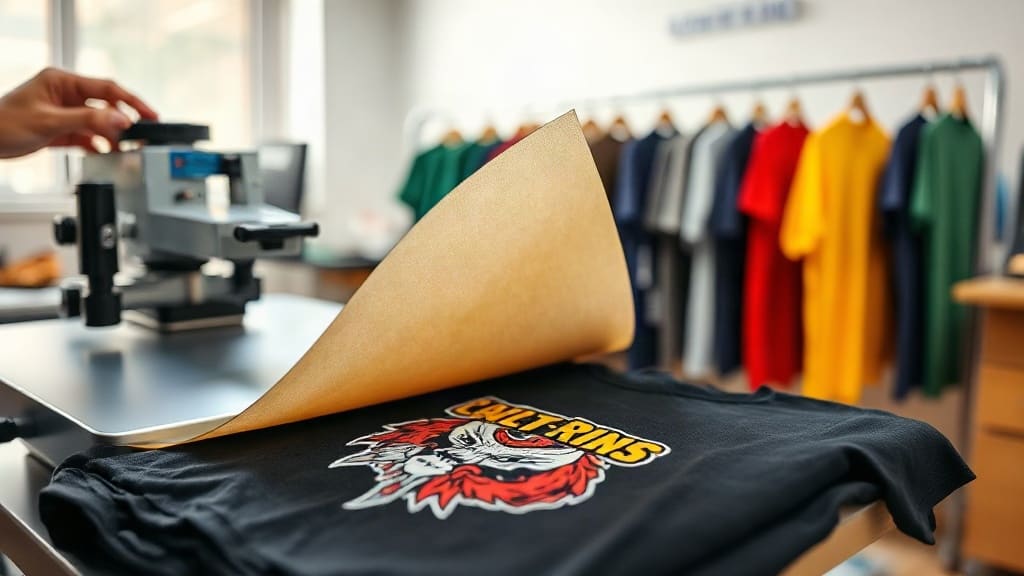
Direct-to-film printing, commonly known as DTF, has revolutionized the custom apparel industry. If you've ever wondered how those vibrant, soft-feel designs on t-shirts are made, chances are they involve DTF transfers. Unlike traditional screen printing or heat transfer vinyl, DTF offers a unique blend of versatility and quality that appeals to both small businesses and large-scale manufacturers. In this guide, we'll break down the entire process, explore the benefits, and share practical advice to help you get the best results.
What Is DTF Printing?
DTF printing is a digital method where designs are printed onto a special film, coated with adhesive powder, and then heat-pressed onto fabric. The result is a vibrant, durable print that can be applied to a wide range of materials, including cotton, polyester, blends, and even hard surfaces like mugs and caps. Unlike screen printing, which requires separate screens for each color, DTF prints full-color designs in a single pass, making it ideal for complex artwork and small runs.
The process begins with a digital design, which is printed onto a PET film using specialized DTF inks (usually CMYK plus white). After printing, a hot-melt adhesive powder is applied to the wet ink, and the film is dried. The powder bonds with the ink during the heat press, creating a strong bond between the design and the fabric.
How DTF Transfers Are Made: Step-by-Step
Understanding the production process helps you appreciate the technology and troubleshoot issues. Here's a breakdown of how DTF transfers are created:
- Design preparation: The artwork is created or processed in graphic design software. Ensure the image is high resolution (300 DPI) and in a format that supports transparency, like PNG.
- Printing onto film: The design is printed onto a clear or matte PET film. A DTF printer uses CMYK inks, but crucially, it prints a white underbase layer first, followed by the CMYK colors. The white layer ensures that colors pop, even on dark fabrics.
- Adhesive powder application: While the ink is still wet, a fine hot-melt adhesive powder is applied to the film. The powder sticks only to the inked areas. This step is critical for ensuring the transfer adheres properly.
- Drying and curing: The film passes through a dryer or is left to air-dry, causing the adhesive powder to melt slightly and bind to the ink. This creates a durable, flexible film.
- Heat pressing: The transfer is placed on the fabric, adhesive side down, and pressed with a heat press at around 320°F (160°C) for 15-20 seconds. The heat activates the adhesive, bonding the design to the fabric.
- Peeling: After pressing, the film is peeled away, leaving the vibrant design on the fabric. Depending on the film, you may peel hot or cold.
Advantages of DTF Transfers Over Other Methods
DTF has gained popularity for good reason. It offers several compelling benefits:
- Versatility: DTF works on virtually any fabric, including cotton, polyester, nylon, and blends. It also adheres to hard surfaces like wood, glass, and metal, opening up new product opportunities.
- Vibrant colors: The white underbase ensures that colors remain bright and true, even on dark or colored fabrics. This is a significant advantage over methods like sublimation, which only works on light polyester.
- Soft hand feel: DTF prints have a thin, flexible texture that feels soft to the touch, unlike thick vinyl or screen-printed layers.
- Durability: When properly applied, DTF transfers can withstand repeated washing without cracking or fading. The adhesive creates a strong bond that holds up well.
- Cost-effective for small runs: There are no screen setup costs, making DTF ideal for low-quantity orders, personalized items, and on-demand printing.
DTF vs. Screen Printing, Vinyl, and Sublimation
To fully appreciate DTF, it helps to compare it with other popular methods:
DTF vs. Screen Printing
Screen printing is excellent for large quantities with simple designs. It produces vibrant, long-lasting prints, but the setup cost is high, and it's not practical for small runs or highly detailed, multi-colored designs. DTF, on the other hand, has no setup fees and can handle full-color gradients and photographs with ease.
DTF vs. Heat Transfer Vinyl (HTV)
HTV is great for simple designs with limited colors. It's easy to use for hobbyists, but it has a thicker feel and can crack over time. DTF offers a softer feel and can reproduce intricate designs without weeding, saving time and labor.
DTF vs. Sublimation
Sublimation produces stunning, permanent prints on polyester and polymer-coated substrates. However, it only works on light-colored, polyester-rich materials. DTF is more versatile, adhering to various fabrics and surfaces, including cotton, which sublimation cannot handle.
Key Factors That Affect DTF Print Quality
To achieve professional results, you need to pay attention to several variables:
Ink and Film Quality
High-quality DTF inks and films are essential. Budget options may lead to dull colors, poor adhesion, or cracking. Invest in reputable brands and ensure your printer is properly calibrated.
Adhesive Powder
The particle size and melting point of the adhesive powder affect the final bond. A finer powder is easier to apply and results in a softer feel. The correct curing temperature is crucial; too low, and the powder won't melt properly, too high, and it may yellow or become brittle.
Heat Press Settings
Temperature, pressure, and time are critical. Follow the manufacturer's recommendations for your film and fabric. Typically, you'll press at 300-320°F for 10-20 seconds with medium to firm pressure. Test on a sample fabric to fine-tune.
Fabric Preparation
Pre-press the fabric for a few seconds to remove moisture and wrinkles. This ensures a smooth surface for better adhesion. Avoid using fabric softeners, as they can interfere with the bonding.
Common DTF Problems and Solutions
Even experienced printers encounter issues. Here are some frequent problems and how to fix them:
Poor Adhesion or Cracking
If the design peels or cracks after washing, check your heat press temperature, pressure, and time. Also, ensure the adhesive powder is evenly applied and fully cured. Increase the temperature slightly or extend the press time.
Faded Colors
Faded prints can result from insufficient ink density, low-quality inks, or incorrect white underbase settings. Increase the ink saturation in your RIP software and ensure the white layer is not too thin.
Blurred or Smudged Prints
This often occurs due to low-resolution images or improper drying. Always use high-resolution files and allow the ink to dry completely before applying the adhesive powder.
Tips for Starting a DTF Business
If you're considering adding DTF to your business, keep these tips in mind:
- Start small: Invest in a starter DTF printer and essential accessories. As you grow, you can upgrade to higher-capacity models.
- Build a profile: Create test prints on various fabrics and colors to understand how your system performs. Document the settings that work best.
- Offer samples: Provide potential clients with samples to showcase the quality and durability of your DTF prints.
- Focus on customer service: Clear communication about turn-around times and care instructions builds trust.
Frequently Asked Questions
Can DTF transfers be used on any fabric?
Yes, DTF transfers work well on cotton, polyester, nylon, and blends. They also adhere to hard surfaces like wood and metal, making them incredibly versatile. However, always test on a sample piece first to ensure proper adhesion.
How long do DTF prints last?
With proper application and care, DTF prints can last as long as the garment itself. They are resistant to cracking and fading, but washing inside out in cold water and avoiding high-heat drying can extend their lifespan.
What is the difference between DTF and DTG printing?
DTG (direct-to-garment) printing involves printing directly onto the fabric using inkjet technology. It works best on 100% cotton and requires pre-treatment. DTF prints onto a film and transfers to the fabric, allowing it to work on a broader range of materials and surfaces.
Do I need a special printer for DTF?
Yes, you need a printer that can handle DTF inks and films. Many Epson and Ricoh printers can be converted, but dedicated DTF printers are available for optimal results. Look for features like a white ink circulation system to prevent clogging.
Can I use a regular heat press for DTF?
Yes, a regular heat press (clamshell or swing-away) is suitable for DTF. Ensure it can reach at least 320°F and provides even pressure. A heat press with a digital display is easier to control accurately.
Final Thoughts
DTF printing is a game-changer for custom apparel and promotional products. Its versatility, cost-effectiveness, and high-quality output make it an attractive option for entrepreneurs and established businesses alike. By understanding the process and mastering the variables, you can produce stunning, durable prints that will impress your customers. Whether you're just starting or looking to expand your capabilities, DTF is definitely worth exploring.