
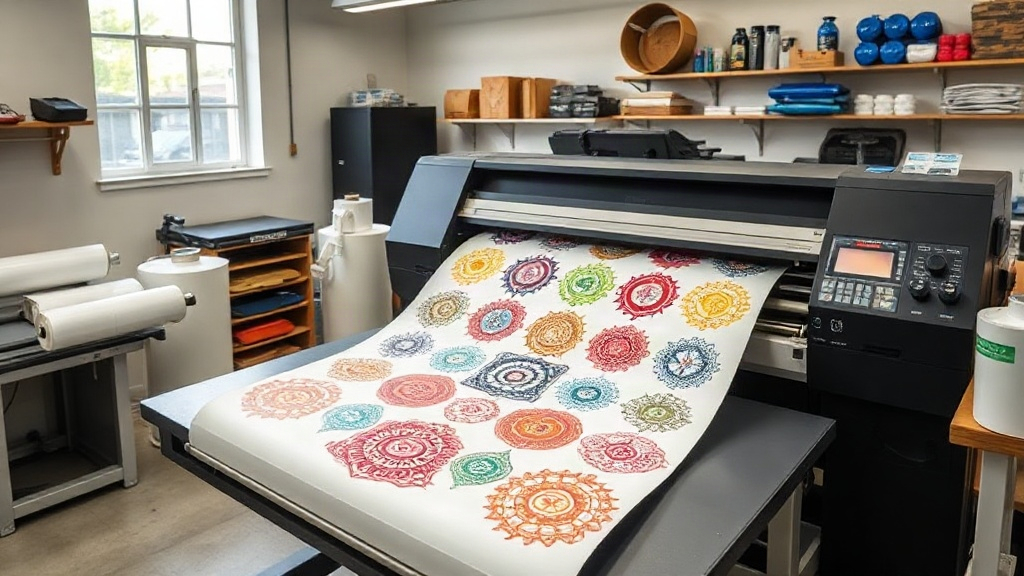
If you run a print shop or create custom apparel, you know that efficiency and cost control are everything. Enter the DTF gangsheet — a game-changing approach that lets you print multiple designs in one go, saving time, money, and material. In this guide, we'll dive deep into what DTF gangsheet printing is, why it's superior to traditional methods, and how you can leverage it to grow your business.
What Exactly Is a DTF Gangsheet?
A DTF gangsheet is a single sheet of DTF (Direct-to-Film) transfer film that contains multiple designs arranged together. Instead of printing each design individually, you gang them up on one sheet, hence the name. This method is a staple in the DTF printing community because it maximizes the use of film and ink while minimizing waste.
Think of it like a digital sticker sheet: you place all your desired graphics on a virtual canvas, nest them efficiently, and print them in one pass. The result? A productivity boost that can transform your workflow.
Why DTF Gangsheets Are a Game-Changer for Print Shops
Whether you're a small home-based business or a large-scale operation, DTF gangsheet printing offers tangible benefits that directly impact your bottom line. Here's why it's worth adopting.
Cost Savings That Add Up
Ink and film are two of your biggest consumables in DTF printing. By ganging multiple designs onto one sheet, you use less film per design and reduce ink waste. For example, if you print 10 separate designs, you might use 10 sheets of film. With a gangsheet, you could fit all 10 on just one or two sheets, cutting film costs by up to 80%. Over a month, those savings can be substantial.
Time Efficiency: Print More in Less Time
Time is money. Printing one design at a time means multiple passes through your printer, more cutting, and more powdering. A DTF gangsheet streamlines the entire process: you print once, powder once, and cure once. This can reduce production time by 50% or more, allowing you to take on more orders and increase your output without working longer hours.
Consistency and Quality Control
When you print multiple designs on the same sheet, they all go through the same printing conditions: same ink density, same curing time, same temperature. This consistency ensures that every transfer in that batch looks identical, which is crucial when fulfilling bulk orders for teams, events, or corporate clients.
How to Create an Effective DTF Gangsheet
Creating a gangsheet isn't just about throwing designs together. A well-planned layout ensures you maximize every inch of film. Follow these steps to build a professional-grade gangsheet.
Step 1: Choose the Right Software
You don't need expensive software; many RIP (Raster Image Processor) programs designed for DTF printing have built-in gangsheet tools. Popular options include Cadlink, AcroRIP, and even some free online tools. These allow you to import designs, resize, and auto-arrange them for optimal nesting.
Step 2: Optimize Design Placement
Arrange your designs to minimize empty space. Rotate designs if needed to fit them tightly. Leave a small gap (about 0.2 inches) between designs to make cutting easier and prevent ink bleeding. Also, consider the grain of the film if applicable; most DTF films are grainless, so orientation doesn't matter.
Step 3: Set Up Print Parameters
Ensure your printer settings are correct for the film you're using. Typically, you'll print at high resolution (1440 dpi or higher) with white ink underneath. The white layer is crucial for opacity on dark garments. Your RIP software should handle the white layer automatically, but double-check that it's enabled.
Step 4: Print, Powder, and Cure
Once printed, apply hot melt adhesive powder evenly over the wet ink. Shake off excess, then cure the sheet in an oven or with a heat press. Follow the manufacturer's recommended temperature and time (usually around 320°F for 2-3 minutes). After curing, your gangsheet is ready to be cut into individual transfers.
Common Mistakes to Avoid with DTF Gangsheets
Even seasoned printers make mistakes. Here are pitfalls to watch out for.
- Overcrowding: Packing designs too tightly can cause ink to smear or powder to clump. Leave adequate spacing.
- Inconsistent white layer: A weak white base leads to dull colors on dark shirts. Always check your white ink density.
- Improper curing: Under-curing results in transfers that peel; over-curing makes them brittle. Invest in a good infrared thermometer to monitor temperature.
- Ignoring film type: Not all DTF films are created equal. Some are designed for specific ink types or have different thicknesses. Test before committing to a large gangsheet.
DTF Gangsheets vs. Other Printing Methods
How does DTF gangsheet printing stack up against screen printing, DTG, and vinyl? Let's compare.
- Screen Printing: Great for large orders of the same design, but setup costs are high for multi-color jobs. DTF gangsheets shine for small to medium runs with multiple designs.
- DTG (Direct-to-Garment): No film needed, but DTG requires pre-treatment and works best on 100% cotton. DTF works on any fabric, including polyester and blends.
- Vinyl: Ideal for simple one-color designs, but layering multiple colors is time-consuming. DTF gangsheets handle full-color graphics with ease.
For versatility, durability, and cost-efficiency in short-run, multi-design scenarios, DTF gangsheet printing is hard to beat.
Real-World Applications: Where DTF Gangsheets Shine
From custom t-shirts for a family reunion to uniforms for a local sports team, DTF gangsheets are incredibly versatile. Here are some popular use cases:
- Small Business Merch: Create a variety of designs for your online store without committing to large inventory.
- Event Merchandise: Print multiple sponsor logos or event graphics on one sheet for quick turnaround.
- Personalized Gifts: Make custom shirts for birthdays, holidays, or bachelorette parties.
- Sample Packs: Offer potential clients a range of design options printed on a single gangsheet.
Maximizing Your DTF Gangsheet Workflow
To get the most out of your gangsheets, consider these pro tips:
- Invest in a Roll Printer: If you're doing high volume, a DTF printer that uses roll film can further reduce costs and allow continuous production.
- Use Quality Inks and Powders: Cheap consumables can lead to clogs, poor adhesion, and unhappy customers. Stick with reputable brands.
- Keep a Design Library: Organize your most-used designs so you can quickly drop them into a gangsheet.
- Automate Where Possible: Use software that supports hot folders and automation to streamline the RIP process.
Frequently Asked Questions About DTF Gangsheets
What is the maximum size for a DTF gangsheet?
The maximum size depends on your printer's capabilities. Most roll-fed DTF printers can produce gangsheets up to 13 inches wide and several feet long. Sheet-fed printers typically max out at 13x19 inches (A3+). Always check your printer's specifications.
Can I mix different designs on one gangsheet?
Absolutely! That's the whole point. You can combine any number of designs, as long as they fit within the sheet dimensions. Just ensure they all require the same printing parameters (e.g., same white ink density).
How do I cut a DTF gangsheet?
You can cut with scissors, a guillotine cutter, or a vinyl cutter with a contour cut feature. For precise cuts, use a cutter plotter with registration marks. If cutting by hand, leave a small border around each design to avoid accidental trimming.
Do DTF gangsheets work on dark and light fabrics?
Yes, DTF transfers include a white ink layer that makes colors pop on both dark and light garments. The white layer acts as a base, so even bright colors show up vividly on black shirts.
How long do DTF gangsheet transfers last?
When properly applied and cared for, DTF transfers can last 50+ washes without fading or cracking. Always follow the care instructions: wash inside out in cold water, tumble dry low, and avoid ironing directly on the print.
Final Thoughts: Embrace the Gangsheet Advantage
In a competitive market, finding ways to reduce costs and increase efficiency is key. The DTF gangsheet method offers a practical solution that benefits both your wallet and your workflow. Whether you're a seasoned pro or just starting with DTF printing, mastering gangsheets will set you apart. So why wait? Start designing your first gangsheet today and experience the difference.