
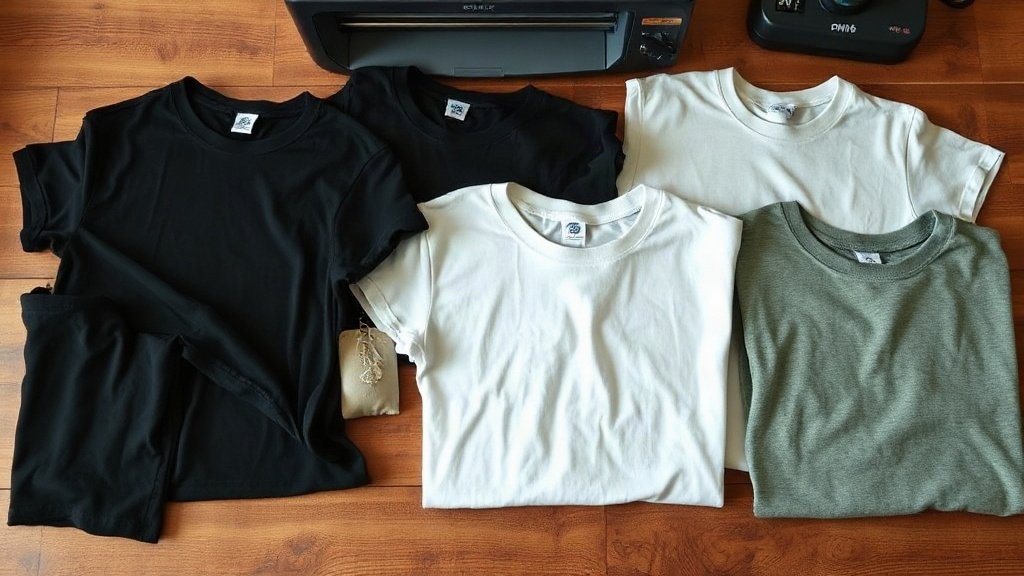
If you're in the business of creating custom apparel, you've likely heard of Shaka Wear. This brand has quietly become a go-to for blank streetwear, favored by screen printers, DTF printers, and DIY creators alike. But what makes Shaka Wear stand out in a crowded market? In this guide, we'll dive deep into the world of Shaka Wear, covering its history, product quality, best-selling styles, and how to print on their garments for optimal results. Whether you're a seasoned pro or just starting out, you'll find actionable insights to elevate your custom apparel game.
What is Shaka Wear?
Shaka Wear is a Los Angeles-based apparel brand that specializes in blank clothing, particularly heavyweight t-shirts, hoodies, and sweatpants. Founded in the early 2000s, the brand has roots in streetwear culture and has grown to become a staple in the custom printing industry. Their garments are known for their boxy fit, durable construction, and affordable price point, making them a popular choice for brands looking to create high-quality merchandise without breaking the bank.
Unlike some blank suppliers that prioritize quantity over quality, Shaka Wear focuses on providing a premium feel at a mid-range cost. Their shirts are often compared to brands like Gildan or Bella+Canvas, but many printers argue that Shaka Wear offers a unique combination of weight, fit, and softness that sets it apart. If you're aiming for that classic streetwear look with a modern edge, Shaka Wear is worth a serious look.
Why Shaka Wear is a Top Choice for Custom Printing
When you're printing custom apparel, the blank you choose can make or break the final product. Shaka Wear has several characteristics that make it ideal for printing, whether you're using DTF, screen printing, or embroidery.
Fabric Quality and Weight
Most Shaka Wear t-shirts are made from 100% cotton, with some blends available. Their heavyweight tees, like the popular SHASS01 model, weigh in at around 6.5 oz, which is heavier than many standard blanks. This weight provides a substantial feel that customers associate with quality. The fabric is also pre-shrunk, reducing the risk of shrinkage after washing, which is a common complaint with cheaper blanks.
For DTF printing, the fabric's tight weave and smooth surface allow for excellent ink adhesion and vibrant colors. The cotton content ensures that the prints feel soft to the touch and won't crack easily if properly applied.
Fit and Sizing
Shaka Wear is famous for its boxy, oversized fit. This is a deliberate design choice that caters to the streetwear aesthetic. If you're targeting a younger, fashion-forward audience, this fit is a major selling point. However, it's important to note that the sizing runs large. Many customers recommend sizing down if you prefer a more standard fit. For printers, this means you should provide accurate size charts and perhaps offer both regular and oversized options to cater to different preferences.
The shoulders are wider, and the body is shorter and wider compared to traditional tees. This can affect print placement, so you'll need to adjust your designs accordingly. For example, a large chest print might need to be scaled down or repositioned to avoid looking awkward on a boxy silhouette.
Color Range and Consistency
Shaka Wear offers a wide array of colors, from classic black and white to trendy shades like sage green and mauve. The dye consistency is generally good, meaning you can reorder the same color and expect a close match. However, as with any dyed fabric, slight variations can occur between batches. It's always wise to order a sample before committing to a large run.
For DTF printing, lighter colors may require a white underbase to make the colors pop, while darker colors can be printed directly. Shaka Wear's color range gives you plenty of options to create eye-catching designs.
Best-Selling Shaka Wear Styles for Printing
Not all Shaka Wear garments are created equal. Here are some of the most popular styles that printers love, along with tips for getting the best results.
- SHASS01 – Heavyweight T-Shirt: This is Shaka Wear's flagship tee. It's a 6.5 oz, 100% cotton shirt with a boxy fit. It takes DTF prints beautifully due to its smooth surface. Use a medium pressure and a temperature of 320°F for 15 seconds for optimal adhesion.
- SHSS01 – Hooded Sweatshirt: A 8.5 oz fleece hoodie with a relaxed fit. The fabric has a slight nap, so DTF prints may require a bit more pressure to ensure the ink penetrates the fibers. Preheat the garment to remove moisture before printing.
- SHPT01 – Sweatpants: These heavyweight fleece pants are great for custom sets. Printing on sweatpants can be tricky due to the uneven surface, but with DTF, you can achieve great results by using a heat press with a pillow or platen to support the seams.
- SHLS01 – Long Sleeve Tee: Perfect for layering, this long sleeve tee offers the same quality as the short sleeve version. When printing on long sleeves, consider the placement of the print to avoid the sleeve seams.
These styles are just the tip of the iceberg. Shaka Wear also offers tank tops, crop tops, and kids' sizes, so you can create a full range of merchandise for your brand.
How to Print on Shaka Wear with DTF
DTF (Direct to Film) printing has revolutionized the custom apparel industry, and Shaka Wear garments are excellent candidates for this technology. Here's a step-by-step guide to achieving professional results.
Step 1: Choose the Right DTF Film and Powder
Not all DTF supplies are created equal. Use high-quality film that can handle fine details and a TPU powder that matches your fabric type. For Shaka Wear's cotton and cotton-blend garments, a standard TPU powder works well. If you're printing on synthetic blends, you may need a low-melt powder to avoid scorching.
Step 2: Prepare Your Artwork
Ensure your design is high-resolution and in CMYK color mode. DTF printers use CMYK inks, so converting your design beforehand will give you a more accurate preview. Also, consider the fabric color: if you're printing on a dark Shaka Wear tee, you'll need to include a white underbase in your design to make the colors visible.
Step 3: Print and Powder
Print your design onto the DTF film using your printer's recommended settings. Once printed, immediately apply the TPU powder over the wet ink. Shake off the excess powder and then cure the powder using a heat gun or in an oven until it melts and becomes glossy. This step is crucial for the durability of the transfer.
Step 4: Heat Press the Transfer
Set your heat press to 320°F (160°C) with medium pressure. Preheat the Shaka Wear garment for 5-10 seconds to remove wrinkles and moisture. Place the transfer on the garment and press for 15 seconds. For best results, use a Teflon sheet or parchment paper over the transfer to protect it. After pressing, peel the film while it's still warm (warm peel) or cold (cold peel) depending on the film type. Most DTF films are cold peel, but always check the manufacturer's instructions.
Step 5: Post-Press and Care
After peeling, you can do a second press for 5 seconds with a Teflon sheet to ensure the print is fully embedded. This step improves wash durability. Instruct your customers to wash the garment inside out in cold water and hang dry to prolong the life of the print.
Pro tip: Shaka Wear's heavyweight fabric can absorb a lot of heat, so you might need to adjust your press time slightly. Start with the recommended settings and test on a scrap piece first.
Common Challenges and Solutions When Printing on Shaka Wear
Even with the best practices, you might encounter some issues. Here are common problems and how to fix them.
- Print Cracking: This usually happens due to insufficient pressure or under-curing of the powder. Increase pressure and ensure the powder is fully melted before pressing.
- Color Fading: If the print looks dull after washing, it could be because the ink didn't adhere properly. Make sure the garment is clean and dry before printing, and use a higher temperature if needed.
- Peeling: If the transfer peels off, it might be because the film was peeled too soon or too late. Follow the film's instructions for warm or cold peel. Also, ensure the garment is preheated to remove moisture.
- Stiffness: DTF prints can feel stiff, especially on lightweight fabrics. Shaka Wear's heavyweight cotton helps minimize this, but you can also use a softer TPU powder or reduce the powder amount.
By troubleshooting these issues, you can achieve consistent, high-quality prints on Shaka Wear garments.
Shaka Wear vs. Other Blank Brands
How does Shaka Wear stack up against competitors like Gildan, Bella+Canvas, and Next Level? Here's a quick comparison.
- Shaka Wear vs. Gildan: Gildan is known for its affordability, but Shaka Wear offers a heavier, more premium feel. Gildan's fit is more traditional, while Shaka Wear's boxy fit is trendier. For DTF printing, both work well, but Shaka Wear's smoother surface may yield slightly better detail.
- Shaka Wear vs. Bella+Canvas: Bella+Canvas is famous for its soft, retail-fit tees. Shaka Wear is heavier and boxier. If you want a streetwear look, Shaka Wear wins; for a softer, more fitted tee, Bella+Canvas is better.
- Shaka Wear vs. Next Level: Next Level offers a great balance of quality and price, with a more modern fit. Shaka Wear is heavier and more oversized. Both are excellent for printing, but your choice depends on your target market.
Ultimately, the best blank for you depends on your brand's aesthetic and your customers' preferences. Shaka Wear carves out a niche for those who want that authentic streetwear vibe.
Frequently Asked Questions About Shaka Wear
Is Shaka Wear true to size?
Shaka Wear generally runs large, especially their heavyweight tees. Many customers recommend sizing down for a regular fit. However, if you're going for an oversized look, your usual size might work. Always check the specific style's size chart, as fits can vary slightly between models.
Can I use DTF printing on Shaka Wear hoodies?
Absolutely. DTF printing works great on Shaka Wear hoodies, but you need to adjust your technique. The fleece fabric is thicker and has a slight texture, so use a higher pressure and preheat the garment thoroughly. Also, consider using a heat press pillow to support the seams and avoid uneven pressure.
How do I prevent DTF prints from cracking on Shaka Wear shirts?
To prevent cracking, ensure you're using the correct temperature, pressure, and time. Prepress the shirt to remove moisture, use a high-quality TPU powder, and fully cure the powder before transferring. After transfer, do a second press with a Teflon sheet for 5 seconds. Following these steps will significantly reduce the chance of cracking.
Where can I buy Shaka Wear blanks?
Shaka Wear blanks are available through various wholesale distributors and online retailers. You can also purchase directly from the Shaka Wear website or through platforms like Amazon and eBay. For bulk orders, check with wholesale suppliers to get the best pricing.
Is Shaka Wear good for screen printing?
Yes, Shaka Wear is excellent for screen printing. Their heavyweight cotton fabric holds ink well and provides a smooth surface for detailed designs. However, due to the boxy fit, you may need to adjust your screen placement to ensure the design looks proportionate.
With this comprehensive guide, you're now equipped to make informed decisions about using Shaka Wear for your custom apparel projects. Whether you're a small business owner, a print shop, or a DIY enthusiast, Shaka Wear offers a reliable canvas for your creativity. Remember to test, tweak, and perfect your printing process to achieve the best results. Happy printing!