
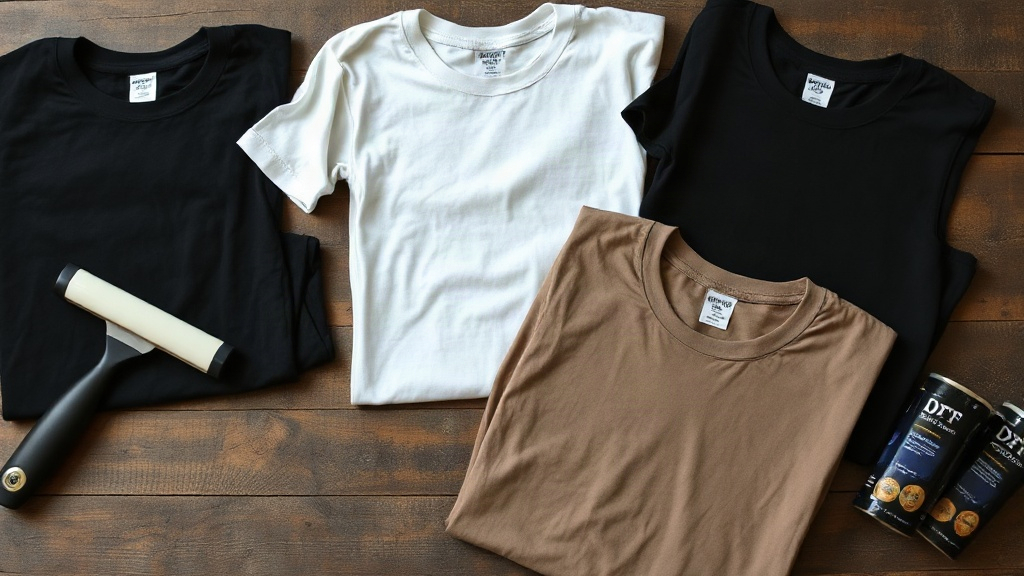
When you're in the business of custom apparel, the blank you choose can make or break your final product. Shaka Wear has quietly become a favorite among screen printers, streetwear brands, and DIY creators who demand consistent quality without the premium price tag. But what exactly sets this brand apart? In this guide, we'll dive deep into Shaka Wear's fabric, fit, and printing characteristics, and share practical tips to help you get the best results.
Why Shaka Wear Stands Out in the Blank Apparel Market
Shaka Wear was founded in Los Angeles with a focus on heavyweight, durable garments that cater to the urban and streetwear aesthetic. Unlike many budget blanks that feel flimsy, Shaka Wear offers substantial fabric weight, often in the 6.0 to 7.5 oz range, giving garments a structured drape and a premium hand feel. This weight is ideal for screen printing because it holds ink well and resists distortion during the printing process.
Another standout feature is their consistent sizing. While some brands have inconsistent cuts, Shaka Wear maintains strict quality control, so a size large from one order fits like a size large from the next. This reliability is crucial for printers fulfilling bulk orders for teams, events, or retail collections.
Fabric Quality and Construction
Shaka Wear uses 100% cotton for most of their tees, with some blends available for specific styles. The cotton is ring-spun, which means it's softer and smoother than standard open-end cotton. The fabric is also pre-shrunk, minimizing shrinkage after washing. Double-needle stitching at the sleeves and bottom hem adds durability, and shoulder-to-shoulder taping prevents stretching at the neckline.
For hoodies and fleece, Shaka Wear employs a cotton-poly blend that balances warmth, softness, and printability. The interior is brushed for a cozy feel, making these pieces popular for fall and winter merch.
Fit and Style Options
Shaka Wear offers a range of fits, from classic unisex to oversized and cropped styles. Their classic tee has a slightly boxy cut that flatters many body types and provides ample surface area for large prints. The oversized tee is particularly trendy in streetwear, with dropped shoulders and a longer body. They also offer tall sizes, which is a rarity in the blank market and a huge plus for taller customers.
Color selection is impressive, with dozens of shades from basic black and white to trendy muted tones like sage and clay. This variety allows brands to create cohesive collections without sourcing from multiple suppliers.
Printing on Shaka Wear: Best Practices
Shaka Wear blanks are compatible with various decoration methods, but they truly shine with screen printing. Here are some tips to achieve professional results:
- Plastisol inks work exceptionally well on Shaka Wear's cotton tees. The heavy fabric can handle the ink weight without bleeding or ghosting.
- Water-based inks produce a soft-hand feel, but because Shaka Wear tees are heavyweight, you may need to adjust your print parameters to ensure proper penetration. A higher mesh count and slower squeegee speed can help.
- Discharge printing is possible on 100% cotton styles, yielding vibrant colors and a super-soft finish. However, always test on a sample first, as results can vary by dye lot.
- DTF (Direct-to-Film) transfers are a great option for detailed, multi-color designs. Shaka Wear's smooth fabric surface allows for excellent adhesion. For best results, pre-press the garment to remove moisture, then apply the transfer at 325°F for 15 seconds with medium pressure.
For hoodies, consider using a lower temperature for heat transfers to avoid scorching the polyester content. Always follow the transfer manufacturer's instructions and perform a wash test to ensure durability.
Common Pitfalls to Avoid
One mistake printers make with Shaka Wear is under-curing the ink. Because the fabric is heavy, it absorbs more heat, so you may need to increase dwell time or temperature slightly. Invest in a good infrared thermometer to check the ink's actual temperature. Another pitfall is using too much pressure when pressing DTF transfers, which can cause the design to spread. Start with medium pressure and adjust as needed.
Shaka Wear vs. Other Popular Blank Brands
How does Shaka Wear compare to giants like Gildan, Bella+Canvas, or Next Level? Here's a quick breakdown:
- Gildan: More affordable but generally lighter weight and less consistent sizing. Shaka Wear offers a more premium feel at a mid-range price.
- Bella+Canvas: Known for soft, fashion-fit tees, but often lighter weight. Shaka Wear is heavier and more durable, better for streetwear.
- Next Level: Similar in softness to Bella+Canvas, but Shaka Wear's heavyweight options are superior for structured prints.
Ultimately, the choice depends on your target market. If you're printing for a skate brand or a hip-hop artist, Shaka Wear's aesthetic and durability are a perfect match.
SSS
Is Shaka Wear true to size?
Yes, Shaka Wear generally runs true to size, though their oversized styles are intentionally roomy. If you're between sizes, consider sizing down for a more fitted look. Always check the specific product's size chart, as measurements can vary slightly by style.
Can I use DTF transfers on Shaka Wear hoodies?
Absolutely. DTF transfers adhere well to Shaka Wear hoodies, but because they contain polyester, you should use a lower temperature (around 300-310°F) and light pressure to avoid damaging the fabric. Pre-press the hoodie to remove wrinkles and moisture for best results.
Does Shaka Wear shrink after washing?
Most Shaka Wear garments are pre-shrunk, so shrinkage is minimal, typically less than 5%. However, to be safe, wash in cold water and tumble dry on low. Avoid high heat, which can cause any cotton garment to shrink.
Where is Shaka Wear manufactured?
Shaka Wear is designed in Los Angeles and manufactured overseas in facilities that adhere to ethical labor practices. They prioritize quality control to ensure consistency across production runs.
What is the best way to print on Shaka Wear for a soft-hand feel?
For a soft-hand feel, use water-based or discharge inks. These inks penetrate the fabric rather than sitting on top, resulting in a print that feels like part of the shirt. Alternatively, use a high-mesh screen with plastisol and a soft-hand additive. Always test on a sample to perfect your technique.